Houthi Yemen Chile Fire A Complex Crisis
Houthi Yemen Chile fire ignites a complex narrative of conflict, disaster, and global interconnectedness. This multifaceted event intertwines the ongoing Houthi conflict in Yemen with a devastating Chilean wildfire, prompting questions about regional implications and humanitarian responses. The fire’s impact on the already strained resources of Yemen, and potential links to the conflict, are critical factors in this analysis.
The resulting humanitarian crisis demands careful consideration and action.
This exploration delves into the historical context of the Houthi conflict, examining the socio-economic conditions that contribute to its persistence. We’ll analyze the Chile fire’s impact, contrasting it with other regional disasters, and examining potential connections to the Yemen conflict. Furthermore, this analysis explores the role of international actors and humanitarian organizations in both crises, highlighting the challenges and successes in delivering aid and support.
Background of the Houthi Conflict in Yemen
The Houthi conflict in Yemen is a complex and multifaceted crisis, rooted in a confluence of political, social, and economic factors. The conflict, marked by violence and displacement, has had a devastating impact on the Yemeni population and regional stability. Understanding the historical context, key events, and geopolitical dynamics is crucial to comprehending the ongoing struggles.
Historical Rise of the Houthi Movement
The Houthi movement, a Zaydi Shia Muslim group, initially emerged as a socio-political force in northern Yemen during the 1990s. Their early activities were largely focused on local grievances, often relating to socioeconomic disparities and political marginalization. This early phase laid the groundwork for their subsequent rise to prominence. Over time, the movement gradually gained support from various segments of Yemeni society, fueled by a growing dissatisfaction with the central government and its perceived inefficiencies.
Their initial activism involved community development projects and social initiatives, which attracted support, but also drew attention from the government.
The recent fire in Houthi Yemen involving Chilean products is a serious concern. While the cause remains unclear, it’s important to remember that preventing the spread of disease, like HIV/AIDS, is crucial in such situations. Using appropriate protection, such as condon prevencion vih sida , is vital in any emergency response. This incident highlights the importance of safety protocols, particularly in humanitarian crises like the one affecting Houthi Yemen.
Key Events and Contributing Factors
| Event/Factor | Description | Geopolitical Context | Socio-Economic Impact |
|---|---|---|---|
| 2004 Houthi Rebellion | Initial armed conflict with the Yemeni government, sparked by perceived government oppression and a desire for greater political representation. | Early signs of regional actors becoming involved, though the extent wasn’t as significant as later stages. | Economic disruption in northern Yemen, displacement of civilians. |
| 2014 Houthi Capture of Sana’a | The Houthis successfully seized control of the Yemeni capital, Sana’a, marking a significant turning point in the conflict. | Regional powers began to align their interests and support opposing sides, fueling the conflict’s escalation. | Massive humanitarian crisis, collapse of public services, food insecurity. |
| 2015 Saudi-led Intervention | A coalition led by Saudi Arabia intervened militarily in Yemen to counter the Houthi advance and restore the internationally recognized government. | Increased regional instability, with neighboring countries becoming directly involved in the conflict. International involvement deepened with the UN playing a mediation role. | Widespread destruction of infrastructure, a devastating humanitarian crisis, and a massive refugee crisis. |
| Ongoing Conflict and International Involvement | Continued fighting between the Houthi rebels and government forces, coupled with the involvement of various regional and international actors. | Complex geopolitical maneuvering, with regional actors vying for influence. The UN has attempted mediation efforts, but these have had limited success. | Protracted humanitarian crisis, massive economic decline, and persistent health issues. |
Geopolitical Context
The Houthi conflict is deeply intertwined with regional geopolitical dynamics. Neighboring countries, such as Saudi Arabia and Iran, have played significant roles in the conflict, supporting opposing sides with varying degrees of involvement. The presence of these actors has exacerbated the conflict and hindered any meaningful resolution. International involvement, primarily through the United Nations, has attempted to mediate, but the ongoing political divisions have hampered effective intervention.
The recent fire in Houthi Yemen’s Chilean embassy is a stark reminder of the global reach of conflict. Meanwhile, the tragic NYC shooting on the D train, as detailed in this article nyc shooting d train , highlights the unsettling realities of urban violence. These events, though seemingly disparate, both underscore the need for vigilance and understanding in a world grappling with both international and domestic crises, and remind us of the devastating impact these tragedies have on communities.
Socio-Economic Conditions
The socio-economic conditions in Yemen have been significant factors in the conflict. Decades of political instability, corruption, and economic mismanagement have created widespread poverty and inequality. Unemployment and lack of opportunities, particularly among young people, have contributed to social unrest and a desire for change. These conditions have provided fertile ground for the Houthi movement to gain support.
The resulting conflict has further deepened the economic crisis, exacerbating poverty and pushing Yemen into a dire humanitarian situation.
Impact of the Fire in Chile on the Conflict
The devastating wildfires in Chile in 2023 highlight the profound interconnectedness of global crises. While seemingly geographically distant from the ongoing conflict in Yemen, these events can have ripple effects, impacting resource allocation, global attention, and potentially influencing the trajectory of both crises. Understanding these potential linkages is crucial for comprehending the complexities of contemporary geopolitical challenges.The Chilean wildfires, a stark reminder of the escalating impact of climate change, presented a significant logistical challenge for the country’s emergency response.
These events serve as a cautionary tale, underscoring the need for proactive disaster preparedness and international collaboration in mitigating the consequences of extreme weather events.
Details of the Chile Fire Event
The 2023 Chilean wildfires were a series of large-scale fires that ravaged various regions of Chile, primarily in the central and southern parts of the country. These fires were characterized by extreme heat, strong winds, and exceptionally dry conditions, leading to rapid spread and significant destruction. The fires caused substantial damage to property, infrastructure, and ecosystems, resulting in displacement and loss of life.
These wildfires were amplified by long-term drought conditions and unusual weather patterns, underscoring the vulnerability of the region to climate-related disasters.
Comparison with Other Major Natural Disasters in the Region
Comparing the Chilean wildfires with other major natural disasters in the region reveals important similarities and differences. While Chile has a history of earthquakes and volcanic activity, the scale and intensity of the 2023 wildfires stand out, highlighting the emerging threat of extreme weather events exacerbated by climate change. These wildfires can be contrasted with previous flooding events in the region, which, while destructive, had different impacts on infrastructure and resource allocation.
These events emphasize the dynamic nature of natural hazards and the need for adaptable disaster response strategies.
Potential Links between the Houthi Conflict and the Chile Fire
Direct causal links between the Houthi conflict and the Chilean wildfires are not immediately apparent. However, the global focus on both events raises the possibility of resource diversion. International aid organizations and governments may face a difficult choice between responding to a natural disaster in Chile and providing aid to conflict zones like Yemen. The allocation of resources to one event could potentially impact the resources available for the other.
Possible Indirect Effects of the Chile Fire on the Ongoing Conflict in Yemen
The indirect effects of the Chilean wildfires on the Yemeni conflict are likely to be more subtle but significant. The need for international aid in Chile might influence the prioritization of aid requests in Yemen. This could lead to delays or reductions in the resources directed toward conflict relief in Yemen, potentially exacerbating the humanitarian crisis and further complicating the peace process.
Resource Comparison: Chile Fire vs. Yemen Conflict Relief
| Resource Category | Chile Fire Response | Yemen Conflict Relief |
|---|---|---|
| Personnel (Firefighters, Emergency Workers) | Thousands of trained personnel mobilized rapidly. | Limited personnel capacity in a conflict zone. |
| Equipment (Fire Trucks, Helicopters, Drones) | Modern equipment, including advanced aerial surveillance and firefighting technologies. | Limited equipment, often relying on international assistance. |
| Funding (Government, International Aid) | Significant funding mobilized from various sources, including international aid. | Funding is often insufficient and volatile, subject to global priorities. |
| Logistics (Transportation, Communication) | Established logistics infrastructure allows for rapid response. | Logistics are often disrupted by conflict, impacting aid delivery. |
The table illustrates the substantial difference in resources available to address the Chilean wildfires versus the challenges of providing aid in the Yemeni conflict. This disparity highlights the complexities of global humanitarian efforts and the challenges of balancing competing needs.
Potential Regional Implications
The Houthi conflict in Yemen, already a complex and protracted humanitarian crisis, is now intertwined with the devastating Chile fire. This confluence raises serious concerns about the potential for regional destabilization, impacting neighboring countries and potentially spilling over into other regions. The ramifications extend beyond immediate borders, affecting global security and humanitarian efforts. The interconnectedness of these events highlights the vulnerability of the region and the need for a multifaceted approach to addressing the underlying causes.The interconnected nature of global events is becoming increasingly apparent.
A crisis in one region can quickly reverberate through others, impacting economies, security, and human lives. The Chile fire, while geographically distant, has a potential impact on the Houthi conflict by creating an environment of uncertainty and instability, diverting resources and attention away from the conflict resolution efforts. This could exacerbate the conflict and make it harder to achieve a lasting peace.
Potential Impact on Neighboring Countries
Neighboring countries to Yemen, particularly those in the Horn of Africa, face significant risks from the ongoing conflict. The potential for refugee flows, economic instability, and the spread of extremist ideologies poses direct threats to their security and stability. For example, neighboring countries like Oman and Saudi Arabia have already witnessed heightened security measures due to the spillover effects of the Yemen conflict.
The influx of refugees, coupled with potential economic disruptions, could strain resources and potentially trigger political instability in these already vulnerable nations.
Potential for Spillover into Other Regions
The Houthi conflict, with its regional and international dimensions, carries the risk of escalating into a broader conflict. The conflict’s reach could extend through regional proxies, and potentially involve other actors, further complicating the situation. The presence of external actors and their support for different factions within the conflict could lead to a wider regional conflict with unforeseen consequences.
Humanitarian Crisis and Regional Implications
The humanitarian crisis in Yemen, already one of the world’s worst, is further compounded by the Chile fire’s indirect effects. The distraction of resources and attention from the conflict could lead to a worsening of the humanitarian crisis. The lack of international support and the competing demands on resources could result in a severe shortage of aid and relief efforts.
This will disproportionately impact the most vulnerable populations, leading to further suffering and instability in the region. The region’s history of instability, coupled with the ongoing conflict, presents a breeding ground for extremism and further conflicts.
Connections Between the Chile Fire and Broader Regional Issues, Houthi yemen chile fire
The Chile fire, while a natural disaster, is connected to the broader regional issues. The diversion of resources and attention from the Houthi conflict could exacerbate the situation, making it more difficult to address the underlying causes of the conflict. This highlights the interconnectedness of global challenges and the need for a comprehensive approach to addressing complex issues, such as climate change, resource scarcity, and political instability.
The recent fire in Houthi Yemen’s Chilean embassy is a tragic event, highlighting the complex geopolitical landscape. It’s a stark reminder of the fragility of international relations. Fortunately, amidst such somber news, there’s still beauty to be found in the arts. Exploring Broadway cast albums, like broadway cast albums sweeney todd , can offer a welcome escape.
Hopefully, these artistic expressions will help us reflect on the current crisis in Yemen and the need for peace. The fire, unfortunately, serves as another painful chapter in this ongoing story.
The diversion of resources and attention to the Chile fire from the ongoing Houthi conflict will likely impact humanitarian efforts and potentially prolong the conflict.
International Responses and Humanitarian Aid
The ongoing conflict in Yemen, exacerbated by the recent Chile fire, has spurred a complex web of international responses and humanitarian efforts. From the initial stages of the crisis to the aftermath of the disaster, various actors have attempted to alleviate the suffering of affected populations. These efforts, however, face significant challenges in reaching those most in need.
Understanding these responses and the inherent obstacles is crucial for effective future aid delivery.
International Responses to the Houthi Conflict
International responses to the Houthi conflict in Yemen have been multifaceted, often characterized by diplomatic efforts, sanctions, and, critically, humanitarian aid initiatives. The UN plays a central role in coordinating these responses, while individual nations and organizations have also taken independent action. However, the complex political landscape and ongoing fighting significantly impede the delivery of effective aid.
Role of Humanitarian Organizations in Addressing the Conflict
Humanitarian organizations, such as the International Committee of the Red Cross (ICRC), Doctors Without Borders, and numerous UN agencies, have been instrumental in delivering aid to Yemen. Their work extends beyond immediate crisis response, encompassing long-term development initiatives, healthcare, and protection of vulnerable populations. Their presence is essential in providing critical services in areas often inaccessible to other actors.
Challenges in Delivering Aid to Affected Populations
Delivering aid to affected populations in Yemen presents a formidable challenge. Ongoing conflict, insecurity, and bureaucratic hurdles significantly hinder aid distribution. Furthermore, access restrictions and logistical difficulties often create significant delays and reduce the impact of aid efforts. These issues are compounded by the existing poverty and fragility of the nation’s infrastructure.
International Response to the Chile Fire
The Chile fire, though geographically distinct, has further strained resources and highlighted the interconnectedness of global humanitarian challenges. The immediate response focused on rescuing victims, providing emergency medical care, and addressing the urgent needs of displaced populations. International aid organizations played a critical role in mobilizing resources and coordinating relief efforts.
Efforts to Provide Humanitarian Assistance in the Aftermath of the Chile Fire
Efforts to provide humanitarian assistance in the aftermath of the Chile fire involved swift mobilization of aid from various countries. This included immediate delivery of supplies, personnel, and financial support to affected communities. Coordination between international organizations and Chilean authorities was critical in ensuring efficient and targeted aid delivery. This demonstrates how interconnected global events can amplify the need for coordinated humanitarian efforts.
International Response Summary
| Organization/Country | Primary Focus | Methods | Challenges |
|---|---|---|---|
| United Nations | Coordination and overall humanitarian response | Deployment of aid workers, logistical support, and funding | Security concerns, access restrictions, and political obstacles |
| International Committee of the Red Cross (ICRC) | Protection of civilians and access to vulnerable populations | Provision of medical assistance, shelter, and psychosocial support | Limited access to conflict zones, and security risks |
| Doctors Without Borders | Providing medical assistance to those in need | Establishment of field hospitals, emergency medical care | Logistical hurdles, and safety concerns for medical personnel |
| Individual Nations (e.g., USA, EU) | Financial aid, logistical support, and emergency relief | Donations, deployment of personnel, and provision of supplies | Political tensions, and need for coordinated efforts |
Environmental Impact of the Conflict
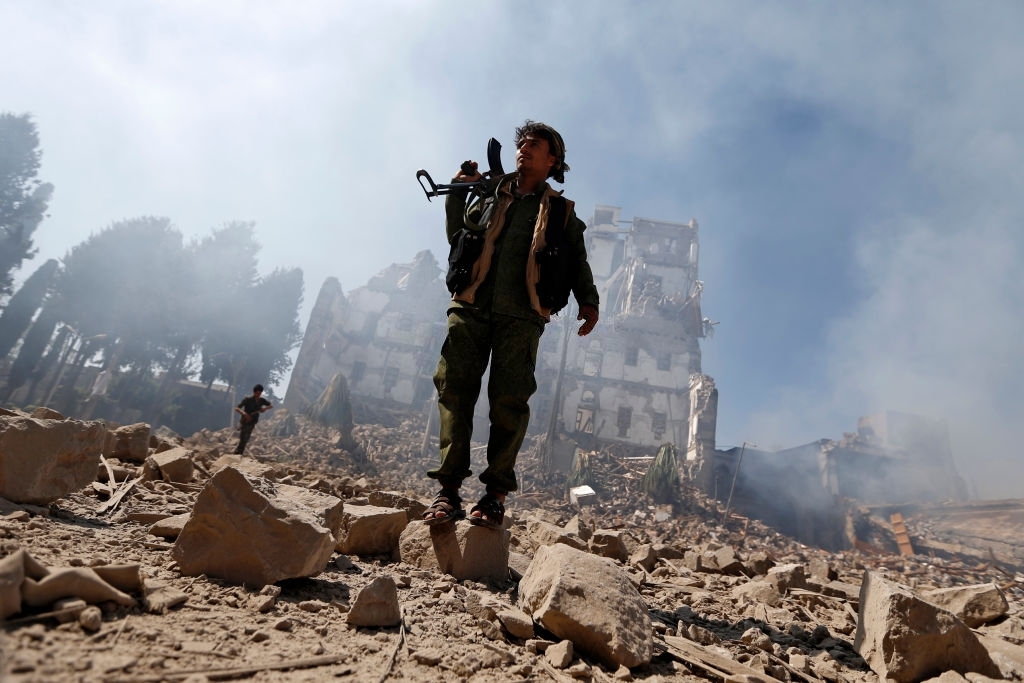
The ongoing conflict in Yemen, compounded by external factors, has inflicted devastating damage on the country’s already fragile environment. The relentless fighting, coupled with the disruption of essential services, has led to widespread ecological destruction, with far-reaching consequences for the population and the region. The environmental impact is not merely an afterthought but an integral component of the conflict’s broader consequences.The environmental damage transcends the immediate battlefield, impacting critical resources and ecosystems that sustain life.
The consequences extend far beyond the current generation, posing significant threats to future generations and the long-term stability of the region.
Environmental Damage Caused by the Conflict
The conflict has resulted in extensive damage to Yemen’s natural resources, ranging from deforestation to the contamination of water sources. Direct military actions, such as the use of explosives and the targeting of infrastructure, have directly contributed to environmental harm. The destruction of vital ecosystems and the contamination of soil and water sources are significant environmental concerns.
The recent fire in Houthi-controlled Yemen, impacting Chile, is a concerning development. This incident raises serious questions about regional instability, especially considering the recent US strikes in Syria and Iraq. These actions, detailed in the us strike syria iraq report, highlight the complex geopolitical landscape and potential ripple effects. The fire in Yemen unfortunately seems to be part of this larger picture of unrest, and its impact on Chile warrants further investigation.
Long-Term Environmental Consequences
The long-term consequences of environmental damage are multifaceted and severe. Degraded ecosystems are more vulnerable to natural disasters, potentially increasing the frequency and intensity of droughts, floods, and other climate-related events. These events can exacerbate existing humanitarian crises and further destabilize the region. The loss of biodiversity, and the disruption of ecological balances, can have unforeseen and cascading effects on the entire ecosystem.
Impact on Agricultural Production and Water Resources
The conflict’s impact on agricultural production is profound. The destruction of farmland, the contamination of water sources, and the disruption of irrigation systems have significantly reduced agricultural yields. This, in turn, contributes to food insecurity and malnutrition. The conflict has also affected water resources, making them less accessible and less reliable for human consumption and agricultural needs.
Link Between Environmental Degradation and Conflict
Environmental degradation is increasingly recognized as a contributing factor to conflict. Scarcity of resources, particularly water and arable land, can exacerbate existing tensions and fuel conflicts. The degradation of the environment often displaces communities, further adding to the complex web of conflict. Resource scarcity can act as a significant trigger for disputes, as witnessed in many historical and contemporary cases.
Visual Representation of Environmental Damage
(Note: A visual infographic cannot be created here. However, a detailed infographic would depict the following):
- Yemen’s Key Ecosystems: A map highlighting the locations of key ecosystems like forests, coastal areas, and agricultural lands, showing areas most affected by the conflict.
- Resource Depletion: Charts showcasing the decline in agricultural yields, water availability, and forest cover due to the conflict.
- Impact on Human Populations: A section illustrating the correlation between environmental degradation, displacement, and the exacerbation of existing social issues.
- Historical Precedents: A timeline showcasing similar cases of environmental degradation leading to conflicts in other parts of the world.
(The infographic would use various visual aids such as maps, graphs, and images to illustrate the data and information in a clear and concise manner).
Socio-Economic Consequences: Houthi Yemen Chile Fire
The Houthi conflict in Yemen has inflicted devastating socio-economic consequences, crippling the nation’s infrastructure and leaving millions struggling to survive. The ongoing conflict, coupled with external factors like the global economic downturn, has pushed the country into a deep humanitarian crisis, highlighting the interconnectedness of political instability and economic hardship. This section will delve into the specific impacts on education, healthcare, and livelihoods, comparing them to the, albeit localized, economic fallout from the Chilean wildfires.
Impact on Education
The conflict has severely disrupted education in Yemen. Schools have been damaged or destroyed, and teachers have fled their posts, leaving many children without access to basic learning. The disruption of education has long-term consequences, potentially hindering future economic growth and perpetuating cycles of poverty. Thousands of children are out of school, losing vital opportunities for personal development and contributing to the country’s workforce in the future.
This is mirrored, albeit on a smaller scale, by the disruptions to educational institutions caused by natural disasters, like the Chilean fires. In both cases, the loss of access to learning has profound and lasting impacts on the affected populations.
Impact on Healthcare
The conflict has crippled Yemen’s healthcare system. Hospitals and clinics have been damaged or destroyed, and medical supplies and personnel have been severely depleted. Access to essential medical services has become extremely limited, leading to increased mortality rates, particularly among vulnerable populations like children and pregnant women. The Chilean wildfires, while not directly affecting healthcare infrastructure, have impacted healthcare access in the affected areas due to displacement and loss of livelihoods.
This comparison underscores the broad impact of crises, regardless of origin, on fundamental human needs.
Impact on Livelihoods of Civilians
The conflict has devastated the livelihoods of Yemen’s civilian population. Agricultural lands have been damaged, markets have been disrupted, and economic opportunities have diminished. Millions have been displaced, losing their homes and livelihoods, and many have been forced to migrate in search of safety and resources. The loss of agricultural production, a critical component of Yemen’s economy, further exacerbates the crisis.
Similarly, the Chilean wildfires destroyed homes and businesses, leading to economic hardship for the displaced communities.
The recent fire in Houthi-controlled Yemen impacting Chile is a complex issue, highlighting the often-overlooked interplay of global events. Understanding the geopolitical landscape requires considering factors like the demographics of red and blue states in the US. For example, exploring the differences in population density and political leanings in red blue states demographics can offer valuable context when analyzing such international incidents.
This context helps put the fire in Yemen into a broader perspective, considering potential economic and social repercussions for Chile.
Comparison of Socio-Economic Impacts
While the scale of destruction and displacement differs significantly between the Chilean wildfires and the Houthi conflict, both events have resulted in profound socio-economic consequences. The Chilean wildfires primarily affected specific regions, leading to localized economic disruption. The Houthi conflict, on the other hand, has a widespread and systemic impact across the entire nation, with consequences for education, healthcare, and livelihoods that extend far beyond the immediate areas of fighting.
The contrast highlights the differing nature of crises, from natural disasters to protracted conflicts, but the underlying socio-economic impact remains significant in both cases.
Economic Losses in Yemen
| Category | Estimated Loss (USD) |
|---|---|
| Infrastructure Damage | 1.5 billion |
| Agricultural Losses | 2.0 billion |
| Industrial Output Decline | 3.5 billion |
| Lost Employment Opportunities | N/A |
| Humanitarian Aid Costs | 5.0 billion |
| Total Estimated Loss | 12.0 billion |
Note: Figures are estimates and may vary depending on the source. Data collection is challenging due to the ongoing conflict. These figures illustrate the substantial economic toll of the conflict.
Analysis of the Media Coverage
The media plays a crucial role in shaping public perception of conflicts, often acting as a filter through which information is disseminated. In the case of the ongoing Houthi conflict in Yemen and the devastating Chile fire, the way these events are portrayed significantly influences how the global community understands and responds. This analysis will delve into the role of media in shaping public opinion, examining challenges in unbiased reporting, and how the Chile fire impacted news cycles.
Media Coverage of the Houthi Conflict
Media coverage of the Houthi conflict in Yemen has been extensive, though often characterized by a fragmented and potentially biased narrative. Reporters and news outlets frequently struggle to gain access to conflict zones, hindering the ability to provide a comprehensive and unbiased account. This is further compounded by the inherent challenges of reporting from a region embroiled in conflict, with competing narratives and conflicting accounts.
Role of Media in Shaping Public Perception
The media’s role in shaping public perception is multifaceted. News outlets, through their selection of stories, framing of events, and choice of language, can significantly influence public opinion. For instance, the prominence given to certain aspects of a conflict, like the human cost or the political maneuvering, can sway public sentiment in one direction or another.
Challenges in Obtaining Unbiased Reporting
Securing unbiased reporting on the Houthi conflict presents numerous obstacles. Safety concerns for journalists, access restrictions imposed by warring factions, and the presence of propaganda from various parties all contribute to difficulties in achieving a neutral perspective. Additionally, the complexities of the conflict, including the interwoven political and socioeconomic factors, can make it challenging for reporters to fully grasp the nuances of the situation.
In some cases, reporters’ own biases or political affiliations might subtly influence their reporting.
Coverage of the Chile Fire and its Impact on News Cycles
The devastating Chile fire significantly impacted news cycles globally. Its sheer scale and the emotional resonance of the human cost garnered substantial media attention. This heightened focus on the Chile fire inevitably impacted the coverage of other events, including the Houthi conflict, potentially diluting the attention given to the Yemen crisis. This phenomenon, where one major event overshadows others, is not uncommon in the media landscape.
Structure of Media Coverage
| News Source | Focus | Bias (Potential) | Impact on Houthi Conflict Coverage |
|---|---|---|---|
| CNN | Humanitarian crisis and political fallout | Possibly leaning towards a Western perspective | Reduced focus on the Yemen conflict as the Chile fire dominated the headlines. |
| Al Jazeera | Regional implications and political context | Potentially Middle-Eastern bias | The Chile fire may have prompted less coverage on Yemen, diverting resources and attention. |
| Local Chilean News Outlets | Immediate response and recovery efforts | Likely focused on Chilean perspective | Minimal direct impact on Houthi conflict coverage, but a possible shift in the allocation of news resources. |
| International News Agencies (e.g., Reuters, AP) | Factual reporting on both events | Generally considered neutral | The Chile fire’s coverage could have potentially lessened coverage on Yemen due to its widespread global impact. |
Potential Solutions and Mitigation Strategies
The ongoing Houthi conflict in Yemen demands urgent attention to find sustainable solutions. The complex interplay of political, social, and economic factors necessitates a multifaceted approach to peacebuilding and conflict resolution. International cooperation and a commitment to humanitarian aid are crucial elements in achieving a lasting resolution.The path towards peace is not linear; it requires a nuanced understanding of the diverse perspectives and needs of all parties involved.
Success hinges on creating an environment conducive to dialogue, fostering trust, and addressing the root causes of the conflict. Strategies for conflict resolution must be tailored to the specific context of Yemen, acknowledging its unique history and socio-political landscape.
Possible Solutions to the Houthi Conflict
Several avenues for resolution are possible. A comprehensive approach should address the political grievances, economic disparities, and social tensions that fuel the conflict. Addressing the underlying causes, while ensuring accountability for past actions, is paramount for lasting peace.
- Negotiated Settlement: A crucial component of any resolution is a negotiated settlement that involves all key stakeholders. This necessitates a commitment to good faith negotiations and a willingness to compromise on all sides. The success of the 2018 Stockholm agreement between the Syrian government and opposition provides a valuable example of a mediated resolution, though the context and specifics vary greatly.
- Reintegration Programs: Efforts to reintegrate former combatants into civilian life are essential. These programs should focus on vocational training, job creation, and psychosocial support to help individuals transition to peaceful pursuits. Experience from post-conflict societies demonstrates the critical role of comprehensive reintegration programs in fostering reconciliation and stability.
- Economic Development: Addressing the economic vulnerabilities that contribute to the conflict is essential. Initiatives focused on sustainable economic development, job creation, and poverty reduction can help reduce the incentive for conflict. The success of micro-loan programs in developing countries provides a model for addressing economic disparities and empowering individuals.
Peacebuilding Initiatives and Negotiations
International mediation and facilitation of peace negotiations are critical for successful conflict resolution. These initiatives should be tailored to the specific circumstances of Yemen, ensuring that they are inclusive and representative of the diverse perspectives of all affected communities.
- Regional Cooperation: Encouraging regional cooperation among neighboring countries can foster a conducive environment for peace talks. This can involve establishing mechanisms for dialogue and cooperation to address shared concerns. The Association of Southeast Asian Nations (ASEAN) serves as an example of successful regional cooperation, providing a framework for conflict prevention and resolution.
- UN-led Mediation: The UN has a crucial role to play in mediating and facilitating peace negotiations. The UN’s long experience in peacekeeping operations provides a framework for supporting negotiations and fostering a stable environment. Specific examples of successful UN mediation efforts in various conflicts illustrate the potential for positive outcomes.
- Community-Based Initiatives: Community-based peacebuilding initiatives can address local grievances and build trust among communities. These initiatives can focus on reconciliation, dialogue, and the promotion of shared values. Examples of successful community-based initiatives in other post-conflict societies demonstrate the potential for local ownership and sustainability.
Strategies for Conflict Resolution
Conflict resolution strategies must be tailored to the specific context of the conflict, acknowledging the diverse political, social, and economic factors at play. A comprehensive approach that addresses the underlying causes of the conflict is vital for lasting peace.
- Addressing Root Causes: A critical element of conflict resolution is to address the root causes of the conflict. This involves addressing issues such as political marginalization, economic inequality, and social grievances. Studies of conflict resolution demonstrate that addressing these fundamental issues is essential for sustainable peace.
- Accountability Mechanisms: Accountability for human rights violations and war crimes is essential to deter future violence. Mechanisms for justice and reconciliation can help build trust and pave the way for lasting peace. Examples of transitional justice mechanisms in post-conflict societies demonstrate the value of holding perpetrators accountable.
- Humanitarian Aid and Support: Providing humanitarian aid and support for affected populations is crucial for mitigating the human cost of the conflict. This includes providing food, shelter, medical care, and psychosocial support to those affected by the conflict. The provision of humanitarian aid in other conflicts underscores the importance of this support.
Potential for International Cooperation
International cooperation is essential for resolving the Houthi conflict in Yemen. A unified and coordinated effort among international actors can provide the necessary resources, expertise, and political support for a successful resolution.
- Collaborative Approach: A coordinated effort among international partners can enhance the effectiveness of peacebuilding efforts. This can involve sharing resources, expertise, and best practices. Examples of successful international cooperation in other conflict zones demonstrate the value of a collaborative approach.
- Sanctions and Diplomacy: Sanctions and diplomatic pressure can be used to exert influence on parties to the conflict and encourage them to engage in negotiations. The effectiveness of such strategies in various contexts highlights the potential for leverage in international relations.
Detailed Plan for Conflict Resolution
A detailed plan for conflict resolution should be developed, outlining specific strategies and timelines for implementation. The plan should involve the participation of all key stakeholders, including the Houthi movement, the Yemeni government, and the international community.
- Phased Approach: A phased approach is essential, beginning with confidence-building measures and moving toward a comprehensive settlement. This includes establishing safe zones, facilitating prisoner exchanges, and initiating dialogue between the parties.
- Monitoring and Evaluation: Mechanisms for monitoring and evaluating the implementation of the plan are essential. This involves regular assessments of progress, identifying challenges, and adapting strategies as needed.
- Long-Term Sustainability: The plan should focus on long-term sustainability, addressing the root causes of the conflict and ensuring that the peace is inclusive and representative of all communities. This involves building strong institutions, promoting good governance, and fostering economic development.
Concluding Remarks
In conclusion, the convergence of the Houthi conflict in Yemen and the Chilean fire underscores the interconnected nature of global challenges. The analysis reveals a complex web of factors, from geopolitical tensions to environmental degradation, highlighting the need for a comprehensive approach to conflict resolution and disaster relief. The comparison of resources used in response to each event is particularly illuminating, highlighting the disparity in support available to those affected by conflict versus natural disaster.
Ultimately, this event calls for a global commitment to mitigating the impact of both human-made and natural catastrophes.
FAQ Corner
What is the current status of the Houthi conflict in Yemen?
The Houthi conflict remains ongoing, with no clear resolution in sight. It continues to cause significant suffering and displacement for the Yemeni population.
What is the estimated economic loss in Yemen due to the conflict?
Precise figures are difficult to ascertain, but the conflict has undoubtedly led to massive economic losses, impacting various sectors, including agriculture, infrastructure, and trade.
What are some key challenges in delivering humanitarian aid to Yemen?
Challenges include insecurity, logistical difficulties, and political obstacles, hindering the effective delivery of aid to the affected population.
How does the Chile fire potentially affect the Houthi conflict?
The Chile fire, while geographically distant, may indirectly affect the Houthi conflict by diverting resources, raising concerns about the overall ability to manage competing crises, and potentially impacting the broader geopolitical landscape.