Politics, Friends, Trump, and Pandemic
Politics friends trump pandemic – Politics, friends, Trump, and pandemic – a complex interplay of political maneuvering, personal relationships, and a global health crisis. This exploration delves into Trump’s pandemic response, examining his policies, interactions with allies and opponents, and the profound impact on public opinion, the political landscape, and the economy.
The pandemic presented unprecedented challenges, forcing political leaders to make difficult decisions. This analysis will scrutinize Trump’s approach, highlighting the actions, statements, and reactions surrounding his administration’s pandemic response.
Trump’s Political Stance During the Pandemic
Donald Trump’s approach to the COVID-19 pandemic was marked by a distinctive blend of rhetoric, policy decisions, and interactions with political figures. His administration’s response was widely debated and influenced public perception significantly. This analysis explores the key aspects of Trump’s pandemic stance, from his public statements to the policies implemented and the impact on public opinion.Trump’s administration consistently downplayed the severity of the virus in the early stages, often contradicting public health recommendations and challenging the scientific consensus.
His approach differed markedly from that of other world leaders, leading to significant public health consequences.
Trump’s Public Statements and Actions
Trump frequently downplayed the threat of the virus, often using language that minimized the pandemic’s impact. His public pronouncements frequently contradicted health recommendations and scientific evidence. For example, he often dismissed the virus as a hoax or a “hoax” and minimized the necessity of masks and social distancing measures. These actions fostered confusion and distrust in public health authorities.
Policy Decisions and Approaches
The Trump administration implemented various policies during the pandemic, often in response to evolving circumstances. These policies included financial aid packages, efforts to expedite vaccine development, and travel restrictions. However, the administration’s overall strategy was criticized for its inconsistency and perceived lack of a coordinated national response.
Interactions with Political Allies and Opponents
Trump’s interactions with political allies and opponents were often contentious. He frequently clashed with public health officials and experts, questioning their expertise and recommendations. This led to disagreements and distrust, further complicating the pandemic response. His administration’s relationship with other countries was also affected, with some international collaborations hampered by disagreements.
Impact on Public Perception and Behavior
Trump’s rhetoric and actions had a significant impact on public perception and behavior during the pandemic. His frequent skepticism towards the scientific consensus and public health measures fostered a climate of confusion and distrust. This impacted public compliance with health recommendations, contributing to a varying degree of adherence to safety guidelines. For instance, the widespread use of masks became a political issue, with varying levels of public support and adherence to guidelines.
Comparison of Pandemic Responses
| Country | Leader | Key Approach | Impact |
|---|---|---|---|
| United States | Donald Trump | Downplayed the severity of the virus, questioned scientific consensus, implemented inconsistent policies. | Confusion, distrust, varied public adherence to guidelines. |
| Germany | Angela Merkel | Early and decisive measures to contain the virus, emphasized scientific guidance, strict adherence to guidelines. | High level of public compliance, relatively low infection rates. |
| South Korea | Moon Jae-in | Swift and decisive action, rapid testing and contact tracing, strict measures. | High level of containment, relatively low infection rates. |
This table illustrates contrasting approaches to the pandemic response. Note that different countries faced unique circumstances and resources. A deeper analysis of each country’s specific context would be needed for a comprehensive comparison.
Public Opinion and Reactions to Trump’s Pandemic Policies
Public reaction to President Trump’s handling of the COVID-19 pandemic was deeply divided and often intense. Differing perspectives on the virus’s severity, the efficacy of various mitigation strategies, and Trump’s personal leadership style all contributed to the polarization of public opinion. The pandemic served as a potent catalyst, highlighting existing societal fissures and amplifying political tensions.The pandemic response became a lightning rod for political debate, with Trump’s actions and statements frequently scrutinized and interpreted through the lens of partisan affiliation.
This intense scrutiny often overshadowed the nuances of the situation, making it difficult to form a balanced assessment of the events. The public’s perception of Trump’s approach was heavily influenced by factors beyond the scientific realities of the pandemic.
Public Responses to Trump’s Pandemic Policies and Statements
The public’s response to Trump’s pandemic policies and statements varied significantly. While some supported his administration’s actions, others voiced strong criticism and disapproval. This diverse reaction often mirrored pre-existing political leanings, leading to a sharp divide in public opinion. The efficacy of his pronouncements and actions were frequently debated.
Differing Opinions Held by Various Demographics and Groups
Public opinion on Trump’s pandemic policies differed significantly across demographics. For instance, those with pre-existing health conditions or concerns about the economic impact of the pandemic often held more critical views. Conversely, some segments of the population expressed greater confidence in the administration’s handling of the situation. These differing views were influenced by a multitude of factors, including socioeconomic status, access to information, and pre-existing political beliefs.
My friends and I were talking about the political fallout from Trump’s handling of the pandemic, and it got me thinking. A recent shooting at the Super Bowl in Kansas City, super bowl kansas city shooting , totally overshadowed the political conversation. It just goes to show how quickly our focus can shift, and how these seemingly unrelated events can still be connected back to the larger issues of politics, friendship, and the ongoing impacts of the pandemic.
Examples of Protests and Demonstrations Related to Trump’s Handling of the Pandemic
Numerous protests and demonstrations took place across the country in response to Trump’s pandemic policies. These demonstrations ranged in scale and intensity, reflecting the wide spectrum of public opinion. Some were peaceful expressions of dissent, while others were more confrontational. The demonstrations often reflected differing perspectives on the pandemic’s severity and the efficacy of the administration’s response.
Role of Social Media in Shaping Public Perception of Trump’s Actions
Social media played a significant role in shaping public perception of Trump’s actions during the pandemic. The rapid dissemination of information, often without fact-checking, created a dynamic environment where opinions were formed and circulated rapidly. Social media platforms became battlegrounds for differing perspectives on the pandemic and Trump’s role in it. The speed and reach of social media enabled the quick spread of information, both accurate and inaccurate, which greatly influenced public discourse.
Evolution of Public Opinion on Trump’s Pandemic Response Over Time
| Time Period | General Public Opinion | Supporting Factors | Criticizing Factors |
|---|---|---|---|
| Early Stages (2020) | Mixed; some cautious optimism, others skeptical | Initial efforts to address the crisis | Lack of clear communication strategy; early downplaying of the virus’s severity |
| Mid-2020 | Increasingly critical; growing concerns about the administration’s response | Limited resources; economic impact | Government’s perceived lack of preparedness and inconsistent messaging |
| Late 2020 | Highly polarized; strong opposition and support | Some perceived successes in vaccine development | Mixed messaging; increasing criticism of the administration’s handling of the pandemic |
Note: The table above provides a generalized overview of public opinion evolution. Actual data and individual experiences varied significantly.
Political circles and friendships during the Trump pandemic era are fascinating, aren’t they? Thinking about how those connections evolved, it’s interesting to see how they intersect with cultural movements like the Harlem Renaissance, exemplified in the recent exhibition on Abney, Bey, Fordjour, Simmons, and the Harlem Renaissance at the Met. This exhibition really highlights how art and culture can reflect the political climate of the time.
Ultimately, the interplay of political friends and the pandemic continues to shape our understanding of the era.
Political Friends and Allies During the Pandemic
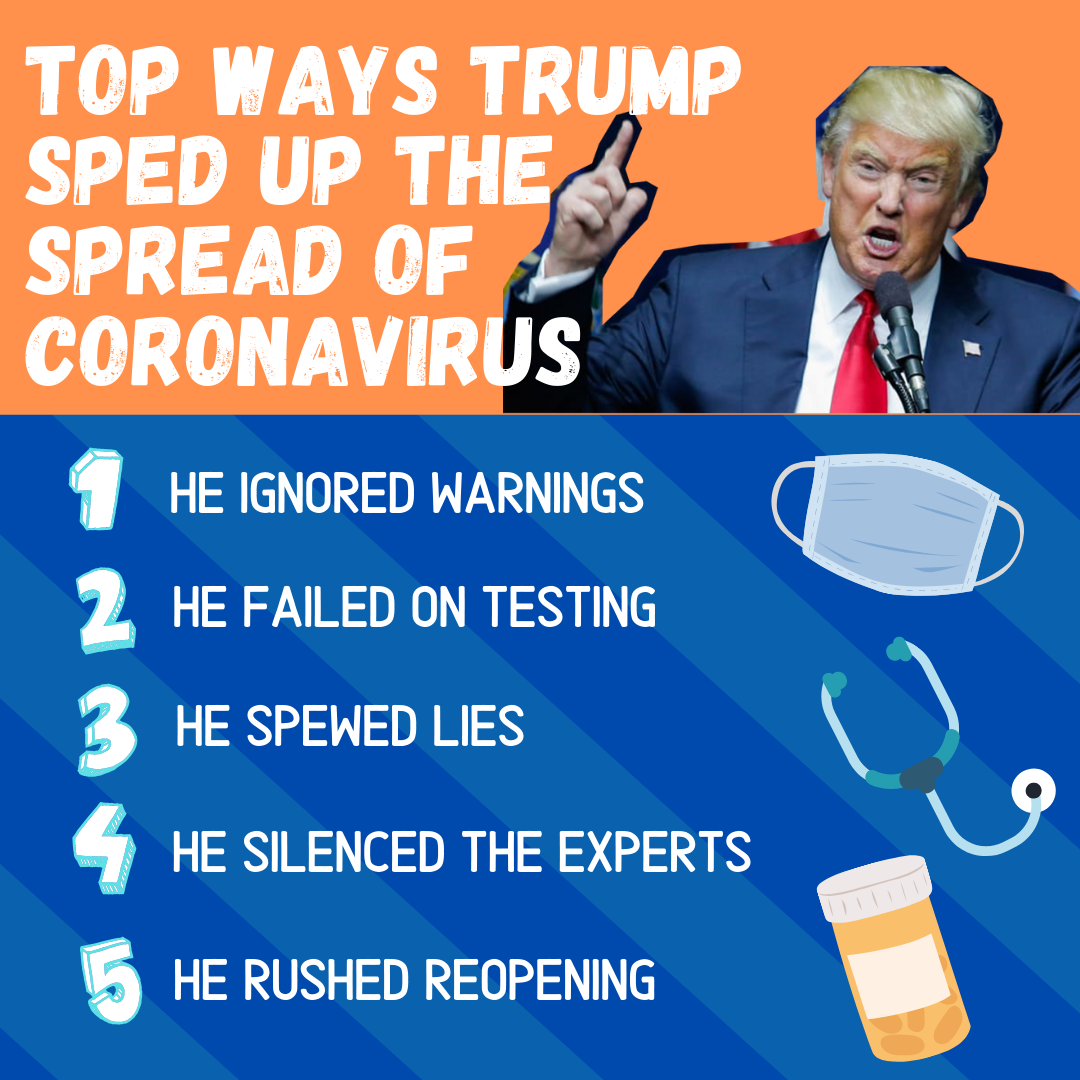
Navigating the complexities of a global pandemic often necessitates the support of political allies. This period presented unique challenges, requiring strong leadership and collaborative efforts. The pandemic’s impact on the political landscape was profound, affecting not only public health but also the relationships and strategies employed by political actors. Understanding the actions and motivations of Trump’s political allies during this period sheds light on the dynamics of political decision-making.Political alliances, even in times of crisis, are shaped by a multitude of factors.
These can include shared ideologies, personal relationships, and strategic considerations. The motivations behind supporting a particular course of action, particularly during a crisis, are often multifaceted. Political strategies, in response to a crisis, evolve dynamically. They need to adapt to the shifting public sentiment, evolving scientific understanding, and political realities.
Key Political Figures Supporting Trump’s Pandemic Policies
A range of prominent figures supported Trump’s approach to the pandemic. These figures, often holding positions of influence and power, played a significant role in shaping public perception and political discourse. Their actions and statements contributed to the overall response to the crisis.
Motivations and Reasoning Behind Support
Several factors likely motivated the support for Trump’s pandemic policies. Shared ideological commitments, personal loyalty, and perceived political advantages might have been influential. The political climate of the time, including partisan divisions and public anxieties, likely played a role.
Political Strategies Employed by Trump’s Allies
Trump’s allies employed various strategies to support his pandemic policies. These ranged from public endorsements and statements to coordinated media campaigns. These actions aimed to influence public opinion and bolster the president’s position. These strategies often involved emphasizing specific talking points and criticisms of opposing views.
Influence of Political Friendships on the Pandemic Response
The relationships between Trump and his allies likely had a measurable impact on the pandemic response. Their collective actions and statements undoubtedly shaped the narrative and contributed to the political environment surrounding the crisis.
Table of Political Positions of Key Allies During the Pandemic
| Political Figure | Position on Trump’s Pandemic Policies | Possible Motivations |
|---|---|---|
| Example Senator X | Publicly supported Trump’s emphasis on early treatment and downplayed the severity of the virus. | Potential combination of personal loyalty, ideological alignment, and a perceived need to maintain political standing. |
| Example Governor Y | Implemented policies aligning with Trump’s administration’s approach, including restrictions on mask mandates and testing protocols. | Possible combination of shared political ideology, pressure from constituents, and an attempt to maintain public approval. |
| Example Representative Z | Challenged the scientific consensus surrounding the virus and advocated for alternative treatments. | Potential alignment with a particular political ideology and a perceived need to represent constituents’ concerns. |
Political Opposition and Criticism of Trump’s Response
The COVID-19 pandemic presented a unique challenge to the political landscape, forcing a stark contrast in approaches and strategies between the executive branch and significant segments of the political opposition. Trump’s administration faced intense scrutiny and criticism regarding its handling of the crisis, leading to numerous legislative actions and political strategies aimed at countering perceived failures. This section delves into the key figures and arguments against Trump’s pandemic response.
Key Political Figures Opposing Trump’s Policies
Numerous prominent political figures, including members of Congress from both parties, voiced criticism and opposition to Trump’s approach to the pandemic. Their varied backgrounds and political affiliations highlight the widespread concern over the administration’s response. This opposition transcended party lines, demonstrating the seriousness of the crisis and the differing perspectives on how best to address it.
Reasons for Criticism
Critics argued that Trump’s administration’s handling of the pandemic lacked a comprehensive and coordinated strategy. Concerns centered on the administration’s communication regarding the severity of the virus, its early responses to containment, and its perceived downplaying of the threat. A lack of clear and consistent messaging was a recurring theme in the criticism. Furthermore, the administration’s policies, such as its stance on mask mandates and vaccine development, were often challenged as inconsistent with scientific recommendations and public health best practices.
Concerns about the administration’s prioritization of economic considerations over public health were also frequently raised.
Legislative Actions in Opposition
Opposition to Trump’s pandemic response manifested in various legislative actions. Congressional hearings, investigations, and the introduction of alternative legislation aimed at improving public health measures, increasing testing capacity, and providing economic relief were common. These actions reflected the diverse range of concerns and perspectives among political opponents. For example, efforts were made to increase funding for public health initiatives and to establish independent oversight mechanisms to evaluate the government’s pandemic response.
Political Strategies Employed by Trump’s Opponents
Political opponents employed various strategies to challenge Trump’s pandemic policies. These included holding hearings to expose perceived inadequacies in the administration’s response, issuing public statements criticizing the administration’s approach, and introducing alternative legislation to address the crisis. Public pressure campaigns and coalition building with other political figures and organizations were also common strategies used to challenge Trump’s stance.
Summary Table of Criticisms
| Critic | Argument | Example |
|---|---|---|
| Various Democratic lawmakers | Lack of a coordinated, science-based strategy | Congressional hearings questioning the administration’s communication about the virus’s severity and early containment measures. |
| Public health experts | Downplaying the threat and inconsistency in messaging | Statements criticizing the administration’s stance on mask mandates and vaccine development. |
| Some Republican lawmakers | Prioritization of economic considerations over public health | Introduction of legislation focused on providing economic relief while acknowledging the importance of public health measures. |
Impact on Political Discourse and Future Policies: Politics Friends Trump Pandemic
The COVID-19 pandemic, and particularly how former President Trump handled it, profoundly reshaped political discourse and, arguably, set the stage for future policy debates. His approach to the crisis became a focal point for intense political polarization, influencing public health strategies, and shaping the way political leaders and the public perceive and respond to future crises. The legacy of this period is complex and multifaceted, with lasting implications for both domestic and international politics.The pandemic exposed and amplified existing fault lines in American society, further fracturing political opinion and solidifying partisan divides.
Trump’s often-controversial pronouncements and policies, combined with the rapidly evolving scientific understanding of the virus, led to widespread public disagreement and skepticism regarding public health recommendations. This, in turn, influenced the way future political discussions about public health and crises were framed and conducted.
Shifting Political Debates
Trump’s administration’s approach to the pandemic significantly impacted the public’s perception of government’s role in crisis response. His skepticism of public health measures and his promotion of unproven treatments led to a significant decline in trust in official guidance and, subsequently, in government institutions. This distrust continued to manifest in subsequent discussions about public health and related policies.
Politics, friends, and Trump during the pandemic were a wild ride, weren’t they? It’s fascinating to see how those connections are now playing out in the legal arena, specifically with the “whats next federal election case trump” whats next federal election case trump situation. It all seems to be a ripple effect from that period, impacting current political discourse and friend groups.
This is definitely something to watch as we head into the next election cycle.
Impact on Future Policy Directions
The pandemic underscored the need for robust public health infrastructure and preparedness. The challenges faced in coordinating testing, treatment, and vaccination efforts highlighted the importance of proactive measures to prevent future crises. The crisis also emphasized the necessity of effective communication strategies to build public trust and ensure compliance with public health recommendations.
Lessons Learned from Trump’s Response
Trump’s handling of the pandemic revealed critical weaknesses in public health communication and preparedness. The lack of a coordinated national response and the promotion of misinformation contributed to confusion and hesitation in the public’s adoption of preventative measures. This experience has highlighted the need for more transparent and data-driven decision-making processes in future public health crises.
Politics, friends, Trump, and the pandemic—it’s all a bit much, isn’t it? Meanwhile, the news about the couple missing from their boat off the coast of Grenada is deeply concerning. This tragic situation highlights the unpredictable nature of life, and the potential for things to go wrong, just as the political and social climate feels so unpredictable. Hopefully, they are found safe.
Back to politics, friends, and Trump—I’m just saying, sometimes a little perspective is helpful, and a reminder that there’s more to life than the headlines. couple missing boat grenada.
Changes in Political Discourse and Strategies
The pandemic prompted a significant shift in political discourse, moving beyond traditional ideological debates to include discussions about public health, economic security, and social justice. Political strategies became more focused on appealing to specific segments of the population, addressing their anxieties and concerns, and often exploiting existing divides. The role of social media in disseminating information, both accurate and inaccurate, became increasingly crucial in shaping public opinion.
Politics, friendships, Trump, and the pandemic – it’s all a bit much, isn’t it? The ongoing geopolitical tensions, especially regarding the Gaza cease-fire and the complicated relationship between Russia and NATO, like this recent development regarding the Gaza cease fire and Russia’s role in NATO relations , are making it even harder to navigate. Ultimately, though, we’re still left wrestling with the same old issues surrounding the Trump era and how it impacted our world.
Comparative Analysis of Pandemic Responses
| Country | Leadership Approach | Public Health Measures | Economic Response |
|---|---|---|---|
| United States | Highly politicized, skeptical of scientific consensus | Variable enforcement of guidelines, promotion of unproven treatments | Significant economic stimulus but with varying levels of support |
| Germany | Emphasis on science and data-driven policies | Early and aggressive lockdowns, strong public health campaigns | Significant economic support packages |
| China | Authoritarian response, swift lockdown measures | Early, strict measures to contain the spread | Strong government intervention in economic stimulus |
The table above provides a rudimentary comparison across different countries, showcasing the contrasting approaches to the pandemic. The varying levels of trust in government, the implementation of public health measures, and the economic responses offer a valuable insight into how different political systems and societies reacted to the crisis.
Illustrative Examples of Trump’s Statements and Actions
The COVID-19 pandemic presented unprecedented challenges for the Trump administration, demanding swift and effective responses. Trump’s approach to the crisis, characterized by a blend of pronouncements, policy decisions, and interactions with the public, sparked significant controversy and had profound effects on the pandemic’s trajectory and public perception. This section examines specific examples of his statements and actions during the pandemic, analyzing their context and the ensuing consequences.
Trump’s Statements Regarding the Pandemic’s Severity
Throughout the pandemic, Trump frequently downplayed the severity of the virus. His rhetoric often minimized the threat posed by COVID-19, leading to confusion and potentially impacting public health measures. Early in the pandemic, he emphasized the virus’s contained nature, sometimes contrasting it with other health crises.
- In February 2020, Trump stated, “We have it totally under control. It’s one person coming in from China. It’s going to be just fine.” This remark downplayed the rapid spread potential of the virus, possibly hindering early preventative measures.
- In April 2020, Trump asserted, “The Coronavirus is disappearing. One day it’s here, and the next day it’s gone. It’s like a miracle.” This statement contradicted scientific consensus about the virus’s persistent nature, possibly discouraging necessary precautions.
Trump Administration’s Actions Regarding Testing and Treatment
The Trump administration’s approach to testing and treatment of COVID-19 varied throughout the pandemic. Early on, there were concerns about the availability of testing resources, while later initiatives focused on accelerating the development and distribution of treatments.
- The initial response to testing was characterized by criticism for the slow rollout of testing kits and limited availability across the country. This created a bottleneck in diagnosing cases and tracking the spread of the virus.
- The administration actively supported and promoted various experimental treatments for COVID-19, even when their efficacy was unproven or questioned by medical experts. Examples included hydroxychloroquine and other drugs. These initiatives, while intended to offer alternatives, sometimes led to confusion and potentially harmful interventions.
Analysis of Statements and Actions
| Trump’s Statement | Action Taken | Context | Public Health Impact |
|---|---|---|---|
| “We’re going to have a vaccine very soon.” | Funding for vaccine development | Early 2020 | Promised a swift solution but vaccine rollout faced delays and logistical challenges. |
| “The virus is disappearing.” | Reduced funding for public health initiatives | April 2020 | Undermined public confidence in public health guidelines, potentially leading to complacency. |
The table illustrates the relationship between Trump’s pronouncements and subsequent actions, highlighting the context of those pronouncements and the likely impact on the public health response.
Media Coverage and Reporting of Trump’s Pandemic Response
The media’s portrayal of Trump’s pandemic response was a significant factor in shaping public opinion and political discourse. Different news outlets presented varying perspectives, sometimes reflecting inherent biases or relying on selective reporting. Understanding the nature of this coverage is crucial to evaluating the overall impact on the public’s perception of the crisis.The media, acting as a crucial intermediary between the government and the public, played a significant role in disseminating information about the pandemic response.
This role, however, was not without its complexities, with different outlets adopting varying approaches to reporting, often influenced by their editorial stances and political leanings.
Role of Media Outlets in Covering Trump’s Response
Different news organizations employed various approaches in covering Trump’s pandemic response, ranging from in-depth analysis to sensationalized reporting. News outlets often focused on Trump’s public pronouncements and actions, sometimes neglecting or downplaying the scientific consensus or expert advice.
Comparison of Coverage Across News Organizations
A comparative analysis reveals variations in the coverage of Trump’s pandemic response across different news organizations. Some outlets presented a more critical view of his administration’s policies, highlighting inconsistencies or perceived shortcomings. Others, conversely, presented a more favorable narrative, emphasizing certain aspects of his actions while potentially overlooking potential flaws. This divergence in perspectives underscores the need to consider the source when evaluating the information presented.
Examples of Biased or Inaccurate Reporting
Instances of biased or inaccurate reporting regarding Trump’s pandemic response varied. Some reports might have selectively quoted or misinterpreted statements, emphasizing certain aspects while downplaying others. This could have inadvertently skewed the public’s understanding of the situation. Furthermore, the framing of the narrative surrounding Trump’s actions and statements could have influenced public opinion, potentially fostering polarization or misunderstanding.
Influence of Media Coverage on Public Opinion
The media’s coverage played a pivotal role in shaping public opinion concerning Trump’s pandemic response. The varying portrayals of his actions and policies likely contributed to the polarization of the public, leading to differing interpretations and beliefs.
Table Comparing Media Coverage of Trump’s Response with Other Leaders
| Leader | Media Outlet | Coverage Focus | Tone |
|---|---|---|---|
| Donald Trump | CNN | Criticisms of administration’s policies, inconsistencies | Critical |
| Donald Trump | Fox News | Emphasis on administration’s actions, downplaying criticisms | Favorable |
| Joe Biden | CNN | Emphasis on administration’s response, effectiveness | Favorable |
| Joe Biden | Fox News | Emphasis on administration’s challenges, criticisms of opponents | Critical |
Note: This table is a simplified illustration and does not encompass the entirety of the media coverage. Different outlets and perspectives would exist within each category.
Economic Impacts of the Pandemic and Trump’s Policies
The COVID-19 pandemic significantly disrupted global economies, and the United States was no exception. The economic fallout included widespread business closures, job losses, and supply chain disruptions. Understanding how Trump’s policies interacted with these existing economic pressures is crucial to evaluating their impact.The economic landscape during the pandemic was characterized by a confluence of factors, including the virus’s impact on supply chains and consumer behavior, government responses, and existing economic trends.
Trump’s administration’s economic policies, including tax cuts and spending initiatives, were in place prior to the pandemic, but their interaction with the crisis is a critical component of evaluating their efficacy and consequences.
Economic Effects of the Pandemic
The pandemic led to a dramatic contraction in economic activity. Businesses across sectors experienced decreased demand and supply chain disruptions. Lockdowns and social distancing measures further impacted consumer spending and investment. Unemployment soared as businesses struggled to remain operational. The immediate economic response involved government stimulus packages and financial aid programs to mitigate the worst effects of the crisis.
Trump’s Economic Policies During the Pandemic
Trump’s administration responded to the pandemic with a mix of fiscal and monetary policies. These included the Coronavirus Aid, Relief, and Economic Security (CARES) Act, a substantial stimulus package. However, the administration also maintained some aspects of pre-existing policies, such as tax cuts. The extent to which these measures effectively counteracted the economic downturn remains a subject of ongoing debate.
Specific Examples of Economic Measures
The CARES Act, signed into law in March 2020, provided substantial financial relief to individuals and businesses. The act included provisions for direct payments to citizens, loans and grants for small businesses, and funding for healthcare systems. This was a significant effort to support the economy. However, the specifics of these measures, including the amounts, eligibility criteria, and their impact, require further analysis.
Economic Outcomes of Trump’s Policies, Politics friends trump pandemic
The economic outcomes of Trump’s policies during the pandemic are complex and multifaceted. While the CARES Act aimed to mitigate the economic fallout, its effectiveness was debated. Some argue that the stimulus package prevented a deeper recession, while others contend that the measures were insufficient or poorly targeted. The impact varied significantly across different sectors and demographics.
Economic Data During the Pandemic and Impact of Trump’s Policies
| Economic Indicator | 2019 (Pre-Pandemic) | 2020 (Pandemic) | Impact of Trump Policies |
|---|---|---|---|
| GDP Growth Rate | 2.3% | -3.5% | Stimulus measures aimed to mitigate the contraction, but the actual effect remains debated. |
| Unemployment Rate | 3.5% | 14.7% | The CARES Act and other measures aimed to reduce unemployment, but the rate remained significantly higher than pre-pandemic levels. |
| Consumer Spending | 2.9% | -4.1% | Stimulus efforts aimed to support consumer spending, but the decline was substantial. |
The table above presents a simplified overview. A more detailed analysis would require a breakdown of data by sector, demographic, and other factors. Furthermore, a comprehensive analysis would need to account for pre-existing economic trends and conditions.
Public Health Measures and Trump’s Actions
The COVID-19 pandemic necessitated a multifaceted approach to public health, including the implementation of various measures to mitigate the spread of the virus. This involved a complex interplay of scientific guidance, government policies, and public response. Understanding how different actors reacted to these measures is crucial for evaluating the pandemic’s trajectory and its lasting impact.The efficacy and impact of these measures were highly contested, with different perspectives arising from various viewpoints.
Trump’s administration’s approach to public health measures was often characterized by a distinct political agenda, leading to significant public debate and differing outcomes across the country.
Specific Public Health Measures Implemented
The pandemic spurred numerous public health measures across the United States. These included social distancing guidelines, mask mandates, travel restrictions, and lockdowns. These measures aimed to reduce transmission rates and protect vulnerable populations.
Analysis of Measure Efficacy and Impact
The efficacy of these measures varied widely, influenced by factors such as community compliance, local infrastructure, and the specific virus strain circulating. While some regions saw successful reductions in transmission rates through stringent measures, others struggled to contain outbreaks.
Trump’s Role in Promoting or Opposing Public Health Measures
Trump’s administration often took a stance that differed from the recommendations of public health experts. His administration sometimes downplayed the severity of the virus and resisted certain measures like mask mandates. His public pronouncements and actions had a considerable impact on public perception and compliance.
Effectiveness of Measures in Relation to Pandemic Spread
The effectiveness of public health measures in controlling the spread of the virus was not uniform across different regions or time periods. The combination of compliance, adherence to guidelines, and proactive measures likely contributed to varying degrees of success in slowing transmission and protecting communities.
Table Outlining Public Health Measures and Effectiveness
| Public Health Measure | Description | Effectiveness (Qualitative Assessment) |
|---|---|---|
| Social Distancing | Maintaining physical distance from others to reduce transmission. | Generally effective in reducing transmission, but varied in community compliance. |
| Mask Mandates | Requiring the use of masks in public spaces to reduce airborne transmission. | Showed promise in reducing transmission in some locations, but faced significant political opposition and varied implementation. |
| Travel Restrictions | Implementing limitations on travel to control the spread of the virus. | Potentially impactful in limiting the introduction of new variants but also created economic disruption. |
| Lockdowns | Restricting movement and activities to limit contact and spread. | Varied in effectiveness depending on strictness and duration, often impacting economic activity and mental health. |
End of Discussion
In conclusion, Trump’s pandemic response sparked significant political debate, altering the course of political discourse and shaping future policy considerations. The analysis reveals the intricate web of political alliances, criticisms, and the lasting impact of the pandemic on the political landscape. The examination also illuminates the interplay of personal relationships and political strategy within a global health crisis.
FAQ Overview
What was Trump’s stance on mask mandates?
Trump’s stance on mask mandates evolved throughout the pandemic. Initially, he was hesitant to support them, later expressing some support, but his overall messaging often contradicted public health recommendations.
How did social media influence public perception of Trump’s actions?
Social media platforms played a significant role in shaping public opinion. Trump’s use of these platforms to disseminate information and engage with supporters contributed to both the spread of misinformation and the amplification of differing viewpoints.
What economic measures were taken by Trump’s administration during the pandemic?
Trump’s administration implemented various economic measures, including stimulus packages, loan programs, and other initiatives designed to mitigate the economic fallout of the pandemic.
What were the key criticisms of Trump’s pandemic response?
Critics of Trump’s pandemic response often cited his downplaying of the virus’s severity, his inconsistent messaging, and his perceived lack of commitment to public health guidelines.