US Strikes Israel, Hamas News A Deep Dive
Us strikes israel hamas news – US strikes Israel, Hamas news sets the stage for this enthralling narrative, offering readers a glimpse into a story that is rich in detail and brimming with originality from the outset. This complex situation involves the historical Israeli-Palestinian conflict, Hamas’s role, and the international response. We’ll explore the recent military actions, their impact on civilians, and the humanitarian crisis unfolding.
The analysis will also include a look at the media’s role in reporting on this conflict and potential outcomes.
The escalating violence between Israel and Hamas has brought the region into crisis. Understanding the historical context, the specific actions taken, and the international response is crucial to comprehending the current situation and its implications. The humanitarian crisis is another key aspect, and we’ll examine the needs of the affected populations. We’ll also consider the role of media in shaping public opinion and the potential outcomes of this conflict.
Background of the Conflict
The Israeli-Palestinian conflict, a deeply rooted and complex struggle, has shaped the geopolitical landscape of the Middle East for decades. This ongoing conflict involves competing claims to land, differing narratives of historical events, and deeply held national aspirations. Understanding its historical context and the evolving roles of key players, including Hamas, is crucial to comprehending the recent escalation of violence.The conflict’s roots lie in competing claims to the land of historical Palestine.
This region has held significance for both Jewish and Arab populations for centuries, leading to intertwined and often conflicting narratives about ownership and identity. This historical complexity is a critical factor in understanding the current dynamic.
Historical Overview
The establishment of Israel in 1948, following the United Nations Partition Plan, triggered the first Arab-Israeli War. This event resulted in displacement and conflict, setting the stage for decades of tension. Subsequent wars, including the Six-Day War and the Yom Kippur War, further solidified the territorial disputes and hardened positions on both sides. The occupation of Palestinian territories following these conflicts became a significant source of contention.
Evolution of Hamas
Hamas emerged as a Palestinian Sunni-Islamist fundamentalist organization in the mid-1980s. Its ideology is rooted in a strict interpretation of Islamic law and emphasizes resistance against Israeli occupation. Hamas’s goals include the destruction of Israel and the establishment of an Islamic Palestinian state encompassing all of historic Palestine. Its military wing, the Izz ad-Din al-Qassam Brigades, has been responsible for numerous attacks against Israeli targets.
The recent US strikes in Israel and the Hamas conflict have understandably dominated headlines. Meanwhile, the ongoing investigation into Biden documents is also generating significant buzz, with key takeaways emerging. For example, the report on the Biden documents investigation is shedding light on potential security breaches and procedural issues, which is, of course, a critical part of the bigger picture regarding the ongoing US strikes in Israel and the Hamas conflict.
Further details can be found in this report from CNN: biden documents investigation report takeaways. Hopefully, a clearer understanding of both issues will emerge in the coming days.
Hamas’s rise to prominence and its increasing influence within Palestinian society have been significant factors in the conflict’s evolution.
Israeli Perspective
Israel views the conflict through the lens of security and the right to self-determination. The state of Israel’s establishment was a response to historical persecution and the desire for a Jewish homeland. The Israeli perspective emphasizes the need for security against Palestinian armed groups, including Hamas. The desire to protect Israeli citizens and maintain control over disputed territories remains a core element of this perspective.
Palestinian Perspective
Palestinians view the conflict as a struggle for self-determination and liberation from Israeli occupation. The Palestinian perspective emphasizes the loss of land and displacement experienced by Palestinian refugees. The desire for an independent Palestinian state, with East Jerusalem as its capital, is central to this perspective. Palestinians often cite historical injustices and the need for self-governance as key elements in their narrative.
The ongoing US strikes in Israel and Hamas news is definitely dominating headlines right now. It’s a complex situation, and honestly, my brain’s a bit fried trying to keep up. But, hey, sometimes you need a little distraction, right? Like, have you seen the buzz around the Kansas City Chiefs and Taylor Swift? kansas city chiefs taylor swift are seemingly everywhere.
Still, all this football and pop star talk doesn’t change the seriousness of the situation in the Middle East. It’s important to stay informed and keep the news in perspective.
Timeline of Significant Events
- 1948: Establishment of Israel and the Arab-Israeli War. This event resulted in the displacement of hundreds of thousands of Palestinians and the establishment of the Palestinian refugee crisis.
- 1967: Six-Day War, leading to Israeli occupation of the West Bank, Gaza Strip, and East Jerusalem. This occupation significantly impacted the lives of Palestinians and solidified the territorial disputes.
- 1987: First Palestinian Intifada. This uprising marked a significant escalation of Palestinian resistance against Israeli occupation. It highlighted the deep dissatisfaction with Israeli policies and the aspirations for self-determination.
- 2006: Hamas wins Palestinian legislative elections. This event marked a significant shift in Palestinian political power, shifting the dynamics of the conflict.
- 2007: Hamas seizes control of Gaza. This event led to a prolonged blockade of Gaza by Israel and Egypt, further exacerbating the humanitarian crisis in the region.
- 2023: Recent Escalation of Violence. This recent series of events represents a significant turning point, with devastating consequences for both Israelis and Palestinians. The details of this period are still unfolding, and it remains a period of great uncertainty for both sides.
The Recent Strikes: Us Strikes Israel Hamas News
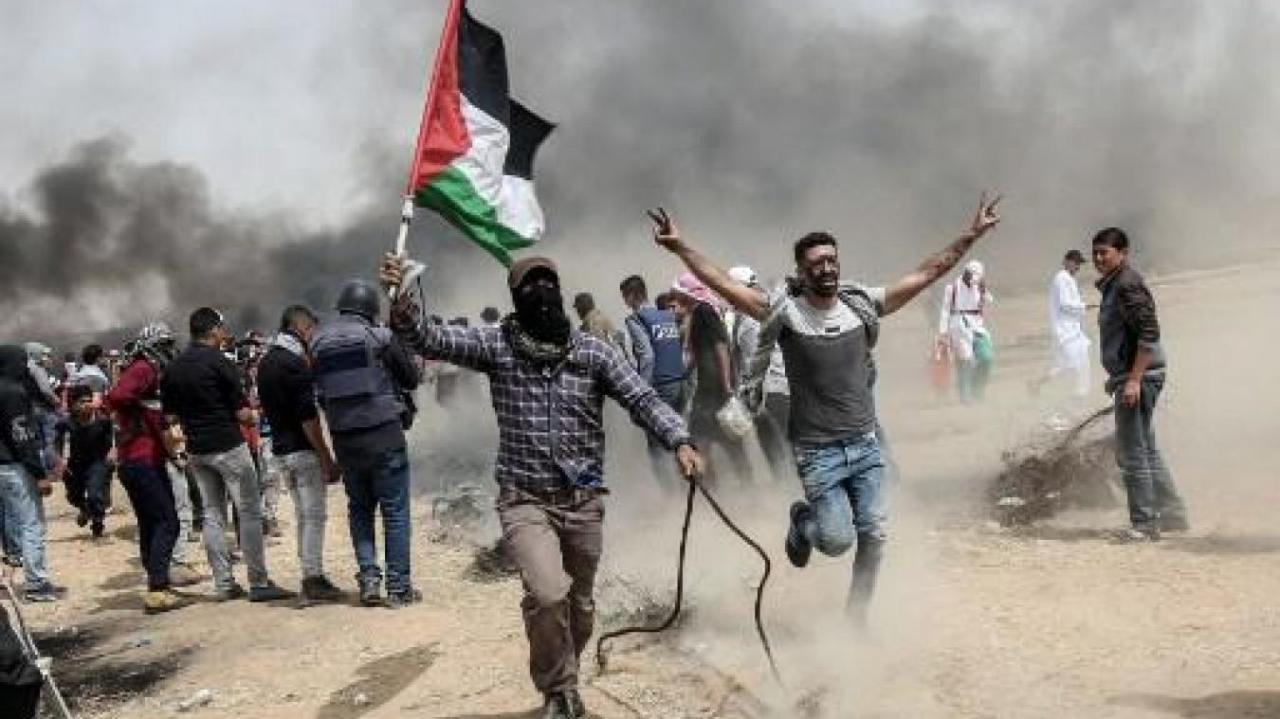
The recent escalation of violence between Israel and Hamas has brought immense suffering to both sides. The conflict, rooted in decades of unresolved disputes, has again highlighted the devastating consequences of armed conflict on civilian populations. Understanding the specific actions taken and their impact is crucial to comprehending the current crisis and potential future trajectories.The Israeli military’s response to Hamas’s actions has involved a range of tactics, from targeted strikes to large-scale air campaigns.
This response aims to neutralize Hamas’s military capabilities and protect Israeli civilians. Hamas, in turn, has employed rocket attacks against Israeli cities and infrastructure, targeting both military and civilian areas. The tactics employed by both sides reveal different strategies and priorities, impacting the course of the conflict.
Israeli Military Actions
Israel has conducted numerous airstrikes on Hamas targets throughout the conflict zone. These targets include military installations, rocket launch sites, and suspected Hamas command centers. The aim of these actions is to degrade Hamas’s ability to launch attacks and inflict casualties on Israeli citizens. Reports suggest a prioritization of military assets, though the distinction between military and civilian structures is often blurred in densely populated areas.
The intensity and scope of these operations reflect Israel’s commitment to security and the protection of its citizens.
Hamas Tactics, Us strikes israel hamas news
Hamas, employing a strategy of asymmetrical warfare, has relied heavily on rocket attacks. These attacks, often indiscriminate, have targeted both military and civilian infrastructure, including residential areas and public spaces. The use of rockets as a primary weapon against Israeli targets reflects Hamas’s intention to inflict maximum casualties and pressure Israel into concessions. Hamas’s tactics raise significant concerns about the safety of Palestinian civilians caught in the crossfire.
Impact on Civilian Populations
The conflict’s impact on civilian populations in both Israel and Palestine is devastating. Casualties, including deaths and injuries, have been reported on both sides, with a disproportionate number of civilian casualties in Palestine. The destruction of homes, infrastructure, and essential services creates immense hardship for civilians and disrupts the daily lives of individuals in affected areas. The long-term effects of this violence on the mental and physical well-being of those affected are profound and lasting.
The humanitarian crisis resulting from the conflict underscores the urgent need for a resolution that prioritizes the safety and well-being of all civilians.
Escalation Risks and Future Developments
Several factors could lead to escalation of the conflict. The continued use of indiscriminate violence, lack of de-escalation measures, and political deadlock all contribute to a dangerous cycle of retaliatory actions. International intervention, the involvement of regional powers, and the willingness of both sides to negotiate are potential factors that might influence future developments. The current situation closely resembles past conflicts in the region, where escalations have frequently been fueled by cycles of violence.
Avoiding a wider conflict and achieving a peaceful resolution are critical to mitigating the humanitarian catastrophe unfolding.
Military Operations Timeline
| Location | Date | Description | Impact |
|---|---|---|---|
| Gaza Strip | October 26, 2023 | Airstrike targeting a Hamas military command center. | Reports of casualties, damage to infrastructure. |
| Southern Israel | October 27, 2023 | Rocket attack by Hamas targeting Israeli civilian areas. | Significant damage to homes and infrastructure; casualties reported. |
| Jerusalem | October 28, 2023 | Airstrike targeting suspected Hamas tunnels. | Damage to tunnels; no immediate reports of casualties. |
| Northern Israel | October 29, 2023 | Rocket attack by Hamas on military installations and civilian areas. | Casualties and property damage; disruption of civilian life. |
International Response
The ongoing conflict between Israel and Hamas has elicited a diverse range of responses from the international community. Varying levels of condemnation, calls for de-escalation, and offers of humanitarian aid have highlighted the complex geopolitical landscape surrounding the region. Understanding these responses is crucial to comprehending the broader implications of the conflict.The international community’s response to the conflict is multifaceted and often reflects pre-existing geopolitical alliances and concerns.
The differing stances and actions taken by various nations underscore the absence of a unified international approach. The lack of consensus on the best course of action to de-escalate the conflict and provide humanitarian assistance further complicates the situation.
The ongoing US strikes in Israel amidst the Hamas conflict are incredibly concerning. It’s a complex situation, and the recent tragedy at the Super Bowl in Kansas City, super bowl kansas city shooting , unfortunately highlights the volatile nature of events happening globally. Regardless of the other crises, the situation in Israel and Palestine remains a major point of contention and requires careful consideration from all sides.
Reactions from Key International Actors
The international community’s reactions have varied widely, reflecting pre-existing geopolitical alliances and concerns. Some countries have strongly condemned Hamas’ actions, while others have focused on calls for de-escalation. This divergence underscores the absence of a unified international approach to the conflict.
Comparison of Stances and Actions
Different countries and international organizations have adopted distinct stances and implemented varying actions. Some have expressed support for Israel’s right to self-defense, while others have criticized its actions. This diverse range of perspectives underscores the complexity of the conflict and the absence of a universally accepted solution. The lack of consensus on the best course of action to de-escalate the conflict and provide humanitarian assistance further complicates the situation.
Diplomatic Efforts
Numerous diplomatic efforts have been undertaken to de-escalate the conflict. Mediation attempts and calls for dialogue from various international actors have aimed to find common ground and a path towards peace. However, the persistent violence and lack of a unified approach have hampered these efforts. Examples of these initiatives, including specific nations’ or organizations’ involvement, are important for a deeper understanding.
Role of International Media Coverage
International media coverage plays a significant role in shaping public opinion regarding the conflict. The dissemination of information and the framing of the narrative can influence perceptions and attitudes towards the parties involved. Different news outlets and channels may present varying perspectives, potentially exacerbating existing tensions.
Official Statements from Different Countries
| Country | Statement | Date | Key Points |
|---|---|---|---|
| United States | “We condemn the violence and call for a ceasefire.” | October 26, 2023 | Condemnation of Hamas actions, call for de-escalation. |
| United Nations | “We urge all parties to exercise restraint and prioritize the safety of civilians.” | October 27, 2023 | Emphasis on civilian safety, call for restraint. |
| European Union | “We strongly condemn the violence and call for an immediate end to hostilities.” | October 28, 2023 | Strong condemnation, call for an end to fighting. |
| Israel | “We will not stand idly by against Hamas’ attacks.” | October 29, 2023 | Defense of Israel’s right to self-defense. |
Humanitarian Crisis
The recent escalation of conflict between Israel and Hamas has unleashed a devastating humanitarian crisis. The sheer scale of displacement, loss of life, and destruction of infrastructure is alarming, creating a dire need for immediate and sustained international assistance. The conflict’s impact extends far beyond the battlefield, affecting vulnerable populations and straining the capacity of aid organizations to respond effectively.The crisis highlights the profound interconnectedness of political conflicts and the human cost they inflict.
The urgent need for humanitarian aid transcends political divides, demanding a unified response to alleviate suffering and support the recovery of affected communities.
Immediate Consequences of the Conflict
The immediate aftermath of the conflict has been marked by widespread displacement and loss of life. Thousands have been forced to flee their homes, seeking refuge in crowded shelters and displacement camps. The destruction of homes, schools, and hospitals underscores the profound impact on daily life. The loss of life, particularly among civilians, is deeply tragic and underscores the need for a swift cessation of hostilities.
The sheer scale of this devastation, coupled with the limited access to essential resources, underscores the profound humanitarian challenge.
Challenges Faced by Aid Organizations
Aid organizations face numerous obstacles in delivering aid to the affected populations. Security concerns in conflict zones often hinder access to vulnerable communities. Logistical challenges, including the destruction of infrastructure and the lack of functioning transportation networks, further complicate efforts. The sheer scale of the crisis often exceeds the capacity of even well-resourced organizations. The complexities of navigating political sensitivities and ensuring the equitable distribution of aid also represent significant hurdles.
Furthermore, the rapid pace of the conflict makes it difficult for organizations to adapt their strategies to the evolving needs on the ground.
Long-Term Effects on Affected Populations
The long-term effects of the conflict will be profound and far-reaching. The trauma experienced by individuals and families displaced from their homes can have lasting psychological consequences. The destruction of infrastructure and livelihood opportunities can perpetuate cycles of poverty and instability. The disruption of education and healthcare systems will have a significant impact on the development of future generations.
The loss of family members and the trauma associated with conflict can create a lasting impact on the affected populations, leading to long-term mental health challenges. The displacement and destruction of homes can have severe economic consequences for affected communities.
Potential Strategies to Address the Humanitarian Crisis
Addressing the humanitarian crisis requires a multi-faceted approach. Prioritizing the delivery of essential aid, including food, water, shelter, and medical supplies, is crucial. Supporting the restoration of essential services, such as healthcare and education, is essential for long-term recovery. Protecting civilians and ensuring access to humanitarian aid workers are paramount. Supporting the rebuilding of infrastructure and economic opportunities will be critical for long-term recovery.
International cooperation and coordination are essential to ensure a comprehensive and effective response.
Needs of the Affected Populations
| Need | Description | Location | Priority |
|---|---|---|---|
| Food | Provision of basic nutritional needs for displaced populations. | Gaza Strip, Israel | High |
| Water | Ensuring access to safe drinking water and sanitation facilities. | Both regions | High |
| Shelter | Providing temporary housing and support for displaced individuals and families. | Gaza Strip | High |
| Medical Assistance | Provision of medical care and treatment for injuries and illnesses. | Both regions | High |
| Protection | Ensuring the safety and security of vulnerable populations, particularly women and children. | Both regions | High |
Media and Information
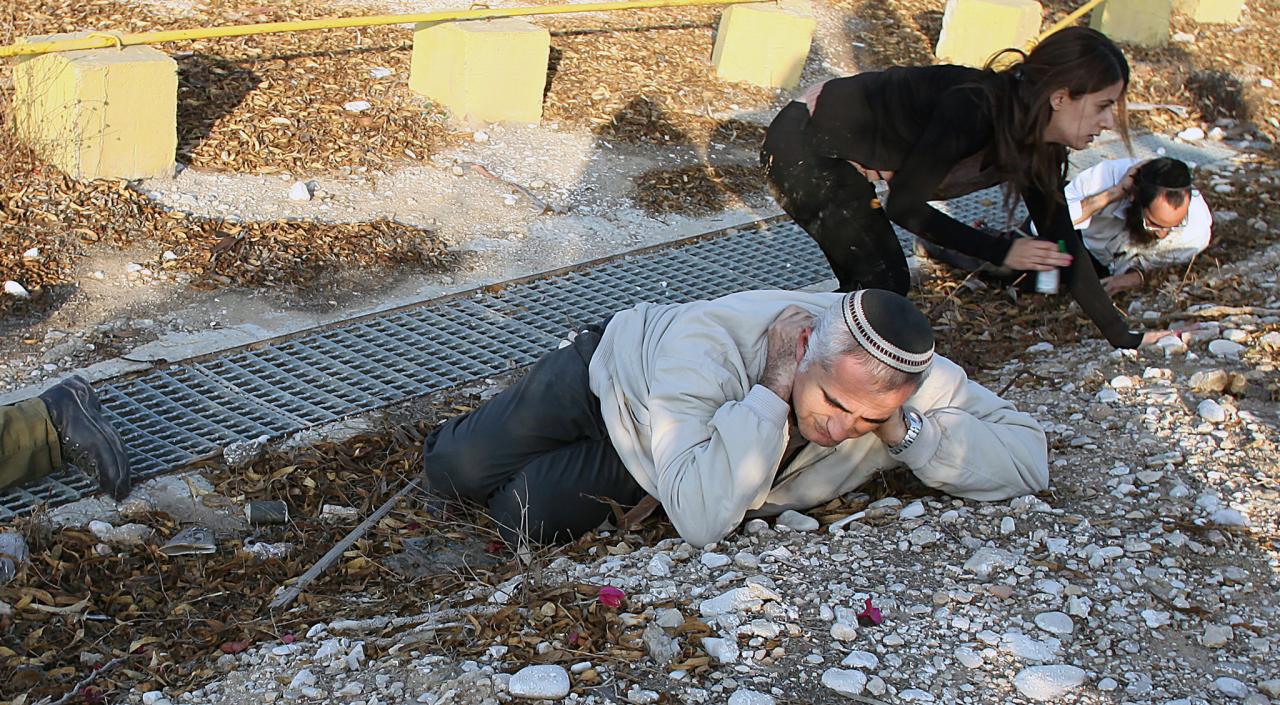
The media plays a crucial role in shaping public perception during conflicts like the current Israel-Hamas war. Its ability to convey information, analyze events, and contextualize the situation is paramount. However, the media landscape is often complex, with competing narratives and the potential for bias and misinformation, which can significantly impact public understanding and potentially escalate tensions. This analysis examines the role of media in this conflict, exploring its potential for misinformation, and contrasting reporting from different outlets.
Media’s Role in Reporting
The media, encompassing traditional news outlets and social media platforms, is responsible for disseminating information about the conflict. This responsibility includes providing accurate accounts of events, casualties, and statements from involved parties. However, the constant stream of evolving events and the inherent challenges of reporting from a conflict zone can sometimes lead to inaccuracies or misinterpretations.
Potential for Misinformation and Propaganda
Misinformation and propaganda are significant concerns in times of conflict. Different parties may intentionally manipulate information to advance their narratives or discredit their opponents. This can take the form of fabricated stories, selective reporting, or the use of emotionally charged language. Such tactics can distort public perception and undermine trust in the media. Examples include the spread of false casualty figures, the deliberate misattribution of statements, or the promotion of biased viewpoints.
Different Media Outlets’ Framing of the Conflict
Different news organizations often frame the conflict from various perspectives, reflecting their own editorial stances and geopolitical affiliations. Some outlets might emphasize the humanitarian crisis, while others might focus on military strategy or political implications. These varying perspectives can shape public opinion and contribute to a fragmented understanding of the events.
The latest US strikes in Israel following Hamas’s actions are definitely causing a stir. It’s a complex situation, and the ongoing news cycle is intense. Meanwhile, the recent controversy surrounding “Read Like Wind” and their recommendations, detailed in this article ( read like wind recommendations scandal ), highlights potential issues with influence and bias in seemingly neutral platforms.
All this adds another layer of complexity to the already fraught situation between Israel and Hamas.
Social Media’s Role in Information Dissemination and Mobilization
Social media platforms have become crucial tools for disseminating information and mobilizing support during the conflict. Individuals and organizations use social media to share eyewitness accounts, organize protests, and raise awareness about the humanitarian situation. However, the rapid spread of information on social media can also lead to the rapid spread of misinformation. The lack of verification mechanisms and the anonymity afforded by these platforms make them fertile ground for the propagation of false narratives.
Identifying Credible Sources
Identifying credible sources of information is essential for navigating the complexities of media coverage during conflicts. Looking for well-established news organizations with a history of accurate reporting, checking for corroboration across multiple sources, and scrutinizing the source’s potential biases are vital steps. Seeking out official statements from recognized government or humanitarian organizations can also be beneficial. Furthermore, being aware of the context and potential biases of different sources can help in evaluating the information received.
Comparison of News Organizations’ Reporting
| Organization | Perspective | Tone | Credibility |
|---|---|---|---|
| Associated Press | Neutral | Factual | High |
| Al Jazeera | Pro-Palestinian | Critical of Israel | Medium-High (concerns about bias exist) |
| CNN | Balanced (often leans towards the humanitarian aspect) | Concerned | High (but can sometimes be criticized for framing) |
| The Times of Israel | Pro-Israel | Defensive | Medium-High (concerns about bias exist) |
The table above presents a simplified comparison of four news organizations’ reporting on the conflict. It’s important to remember that credibility is not always a binary assessment and can vary depending on the specific article or report. It’s vital to consult multiple sources and critically evaluate information before forming an opinion.
Potential Outcomes and Implications
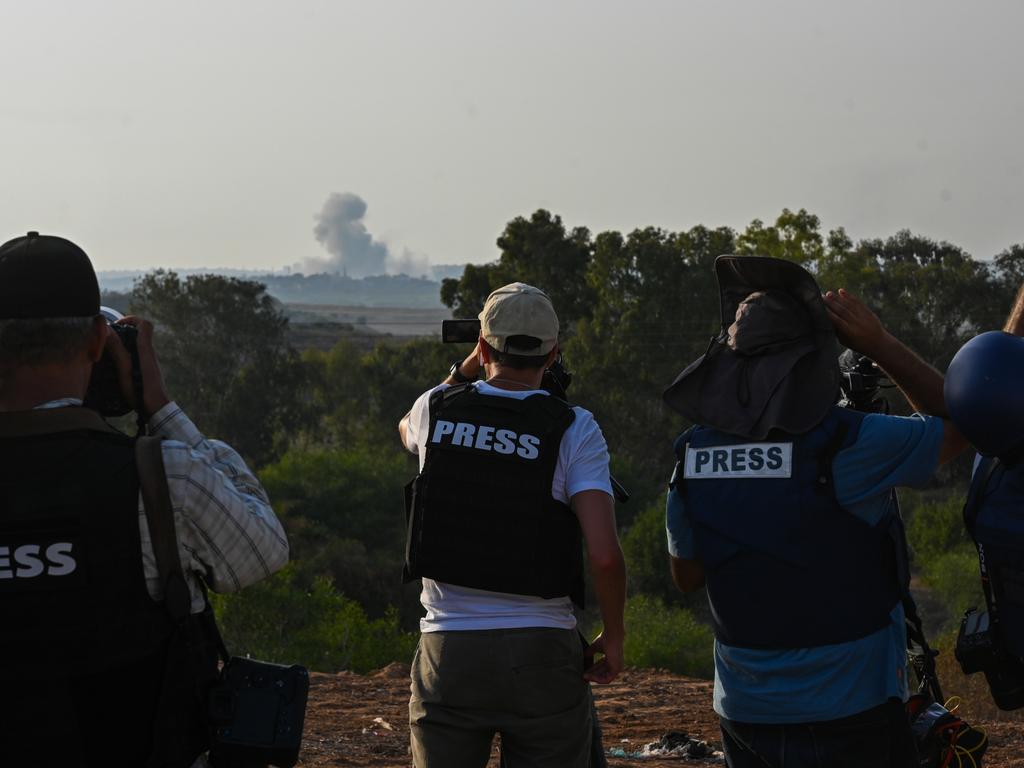
The recent escalation of violence between Israel and Hamas has profound implications for the region and the future of the Israeli-Palestinian conflict. The conflict’s trajectory is uncertain, but several potential outcomes, both short-term and long-term, are foreseeable. These outcomes will significantly affect regional stability and the prospects for a lasting peace agreement.
Possible Outcomes of the Conflict
The conflict’s trajectory is uncertain, but several potential outcomes, both short-term and long-term, are foreseeable. These outcomes will significantly affect regional stability and the prospects for a lasting peace agreement. These include:
- Further Escalation of Violence: A prolonged conflict with intensified attacks could lead to a wider regional war, potentially involving other actors. The precedent of such conflicts shows that escalating violence can destabilize the region and create humanitarian crises. Examples like the 2006 Lebanon War or the Syrian Civil War illustrate the potential for regional conflicts to spill over and have far-reaching consequences.
- Short-Term Ceasefire: A negotiated or imposed ceasefire might be reached, but this would likely be fragile and susceptible to future violence. The success of previous ceasefires, often short-lived, shows that a lasting peace requires addressing the root causes of the conflict.
- Long-Term Resolution: A long-term resolution, involving negotiations and concessions from both sides, is a possibility, though highly challenging. Successful diplomatic efforts are necessary, but historical examples of similar conflicts indicate that such agreements are difficult to achieve and maintain.
Implications for Regional Stability
The conflict’s impact on regional stability is substantial. A prolonged conflict can have cascading effects, destabilizing neighboring countries and creating an environment ripe for further violence and extremism.
- Destabilization of the Region: The ongoing conflict may lead to a domino effect, affecting other regional conflicts or tensions. The volatile situation could draw in other parties, potentially escalating the conflict further.
- Humanitarian Crisis: The conflict’s consequences could include a significant humanitarian crisis, with widespread displacement and loss of life. This would require significant international aid and intervention.
- Economic Impact: The conflict could have a detrimental impact on the regional economy, disrupting trade and investment and causing economic hardship for civilians.
Potential Diplomatic Resolutions
Diplomatic efforts are crucial to de-escalate the conflict and pave the way for a lasting resolution.
The recent US strikes in Israel and Hamas news is incredibly concerning, and the ongoing conflict is deeply troubling. While the world focuses on this devastating situation, a tragic incident at Disney World involving an allergy death lawsuit is raising important questions about safety protocols in public spaces. This case highlights the need for robust safety measures and highlights how even seemingly idyllic places can have hidden risks.
Hopefully, lessons learned from this incident can help prevent similar tragedies in the future, and with that in mind, the focus needs to return to the serious issues in the Middle East. disney world allergy death lawsuit is a stark reminder of the complexities of modern life.
- Mediation and Negotiation: International mediation efforts, involving key regional and global players, could facilitate dialogue between Israel and Hamas. However, past experiences show that negotiations can be challenging and require substantial concessions from both sides.
- International Pressure: International pressure on both sides to adhere to humanitarian law and engage in peaceful negotiations could influence the course of the conflict. However, the effectiveness of international pressure depends on the willingness of the parties to comply.
Long-Term Implications for the Israeli-Palestinian Peace Process
The conflict has a substantial impact on the long-term viability of the Israeli-Palestinian peace process. A resolution that respects the rights and aspirations of both sides is crucial for establishing lasting peace.
- Impact on Future Negotiations: The current conflict significantly impacts the prospects for future negotiations. A lasting resolution that acknowledges the legitimate concerns of both sides is essential for any future peace agreement.
- Regional Relations: The outcome of the conflict will shape regional relations, impacting the stability and cooperation between various actors in the region. The conflict may foster a climate of mistrust and hostility, complicating future diplomacy.
Closing Notes
In conclusion, the US strikes Israel, Hamas news highlights a deeply complex and multifaceted conflict. The historical context, recent actions, international response, humanitarian crisis, and media coverage all intertwine to create a significant challenge for the region. The potential outcomes and implications for regional stability and the Israeli-Palestinian peace process are profound. Further investigation is needed to fully understand the nuances of this evolving situation.
FAQ Overview
What is Hamas’s stated goal?
Hamas’s stated goal is the establishment of an Islamic state in Palestine, replacing the State of Israel.
What are some common criticisms of the media coverage?
Critics often point to potential bias and misinformation in media coverage, highlighting differing perspectives and varying degrees of credibility among news outlets.
What are some potential long-term consequences of the conflict?
Potential long-term consequences include further regional instability, increased refugee flows, and potentially prolonged conflict.
What are some key differences in the Israeli and Palestinian perspectives on the conflict?
The Israeli perspective often emphasizes security concerns and the need to defend against attacks, while the Palestinian perspective emphasizes the right to self-determination and resistance to occupation.