
Son Outcast Children Ethics A Deep Dive
Son outcast children ethics is a complex issue that requires careful consideration of the various factors impacting these children’s lives. From family dynamics to societal pressures and educational systems, this blog post explores the ethical dilemmas faced by outcast children and their families, examining potential solutions and support systems. We’ll delve into the specific struggles of these children, analyzing the reasons behind their exclusion and the impact it has on their development.
This exploration will include a detailed look at the ethical responsibilities of parents, teachers, social workers, and the government, considering different ethical frameworks and the importance of fairness and justice.
This post will also consider how societal norms, family structures, and educational environments contribute to the marginalization of children, highlighting the role of media and popular culture. Ultimately, we’ll discuss strategies for supporting outcast children and promoting their inclusion in society, including the vital role of mental health and the importance of effective intervention programs and community initiatives.
Defining “Outcast Children”
The concept of “outcast children” encompasses a range of experiences marked by social exclusion and marginalization. These children often face significant challenges in their development due to a variety of factors, from family dynamics to societal pressures. Understanding the multifaceted nature of this experience is crucial for developing effective support systems. This exploration will delve into the characteristics of outcast children, examining the various reasons for their exclusion, the impacts on their development, and the potential for supportive interventions.
Defining the Spectrum of Outcast Children
Outcast children are those who experience persistent social isolation and rejection. This can manifest in various ways, including bullying, social ostracization, and a lack of positive peer interactions. These experiences can stem from differences in appearance, behavior, or socioeconomic status, or be rooted in more complex family dynamics or systemic issues. The impact of this isolation can vary significantly, influencing their emotional well-being, academic performance, and future prospects.
For example, children from marginalized communities, children with disabilities, or those with unique behavioral patterns may face persistent exclusion.
Types of Outcast Children and Their Experiences
This section examines various types of outcast children and the unique struggles they encounter.
- Children facing discrimination based on their appearance: Physical differences, such as visible disabilities or unique facial features, can lead to bullying and social exclusion. These children often internalize negative messages, affecting their self-esteem and potentially leading to depression or anxiety.
- Children from impoverished backgrounds: Lack of resources, inadequate clothing, or a different social standing can isolate children from their peers. They may face bullying, exclusion from activities, and the stigma associated with their socioeconomic status.
- Children with behavioral or emotional differences: Children who exhibit unusual behaviors, like those with autism spectrum disorder or attention deficit hyperactivity disorder (ADHD), can be misunderstood and excluded. These children may struggle with social interactions, leading to feelings of isolation and alienation.
- Children with different religious or cultural backgrounds: Children who don’t conform to the dominant social norms may face prejudice and social isolation. These experiences often manifest in discrimination and verbal harassment.
Impact on Development
The experiences of outcast children have profound effects on their developmental trajectory. The constant social rejection can lead to low self-esteem, anxiety, depression, and difficulty forming healthy relationships. These children may struggle academically, develop behavioral problems, and have trouble adjusting to new environments. Their future prospects can be significantly impacted if these negative experiences are not addressed.
Potential Support Systems
Recognizing the diverse needs of outcast children is critical for creating effective support systems. Early intervention is essential to mitigate the negative effects of isolation. These interventions can range from individual therapy and counseling to support groups and community-based programs.
| Type of Outcast | Reason for Exclusion | Impact on Development | Potential Support Systems |
|---|---|---|---|
| Children with disabilities | Discrimination, lack of understanding, physical differences | Low self-esteem, difficulty in social interactions, anxiety, depression, academic struggles | Special education programs, inclusive classrooms, therapy, support groups, parental guidance |
| Children from marginalized communities | Socioeconomic status, cultural differences, discrimination | Stigma, social isolation, lack of opportunities, feelings of inadequacy | Community-based programs, mentorship, advocacy, educational support, job training |
| Children with behavioral or emotional differences | Misunderstanding, lack of empathy, stigmatization | Social isolation, difficulty forming relationships, behavioral problems, academic struggles, low self-esteem | Individual therapy, behavioral interventions, support groups, specialized educational programs, parent training |
| Children with unique physical attributes | Bullying, teasing, stigmatization, lack of acceptance | Low self-esteem, anxiety, depression, difficulty in social interactions, withdrawal | Peer support groups, counseling, empathy-building programs, positive reinforcement |
Exploring Ethical Considerations
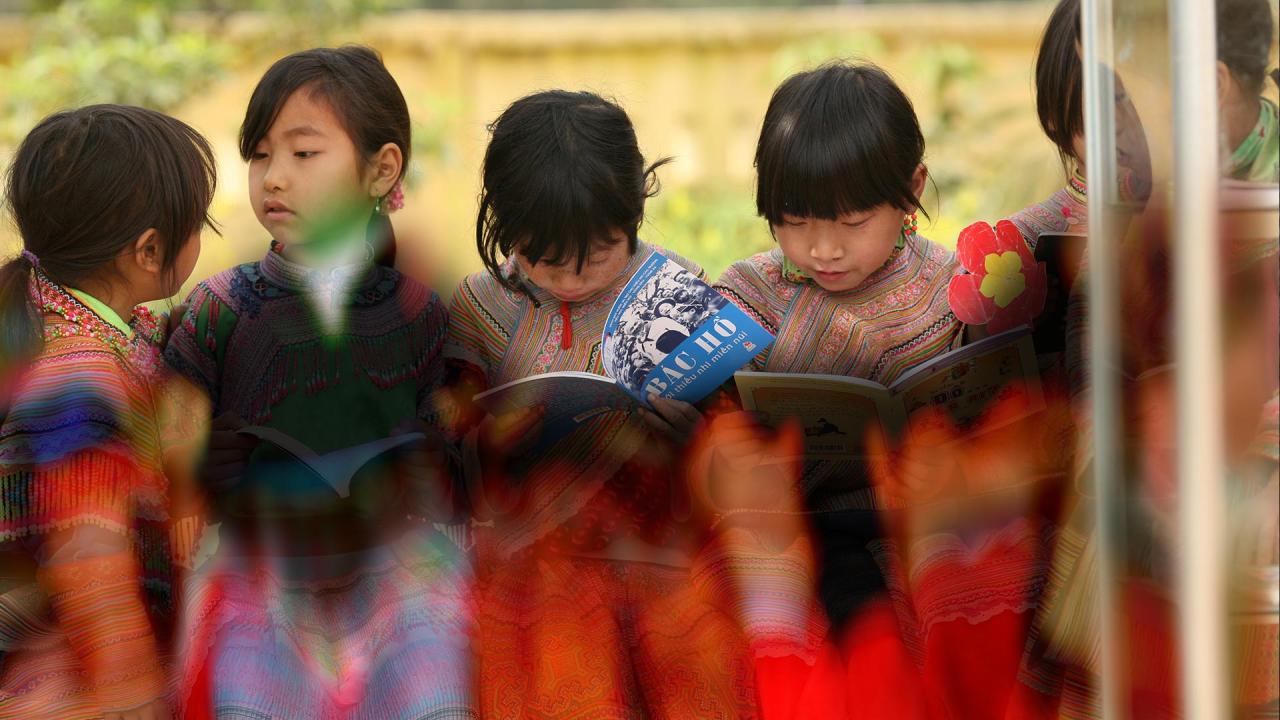
Outcast children, often marginalized and facing systemic barriers, present complex ethical dilemmas for families, educators, and policymakers. Understanding these challenges is crucial for developing effective support systems and ensuring a just society where all children have equal opportunities. Addressing the ethical dimensions requires careful consideration of the rights, responsibilities, and well-being of these children and their families.Ethical dilemmas emerge from the multifaceted nature of the circumstances surrounding outcast children.
The concept of “outcast” encompasses various forms of exclusion, ranging from social isolation due to perceived differences to discrimination based on socioeconomic status, cultural background, or disability. These situations demand a comprehensive understanding of the ethical responsibilities of all stakeholders, from parents and teachers to social workers and governmental agencies. A nuanced approach that acknowledges the diversity of experiences and perspectives is paramount.
Ethical Dilemmas Faced by Outcast Children and Their Families
The experiences of outcast children and their families are marked by a range of ethical challenges. These challenges stem from the systemic and societal factors that contribute to their marginalization. Families may face financial hardship, social stigma, and limited access to resources. Children may experience emotional distress, social isolation, and educational disparities. These factors often intertwine, creating a complex web of ethical considerations.
Ethical Responsibilities of Stakeholders
Various stakeholders bear significant ethical responsibilities toward outcast children. Parents have a fundamental duty to nurture and protect their children, even when facing adversity. Teachers play a crucial role in fostering inclusivity and providing support for students who feel marginalized. Social workers are responsible for advocating for the rights and well-being of children and families, ensuring they have access to necessary services.
Governments are ethically obligated to establish policies and programs that promote equity and reduce disparities in access to resources. Each stakeholder has a unique set of obligations that require sensitivity, empathy, and a commitment to creating a supportive environment.
Comparison of Ethical Frameworks, Son outcast children ethics
Different ethical frameworks offer unique perspectives on the treatment of outcast children. Utilitarianism, for example, emphasizes maximizing overall happiness and well-being. Deontology focuses on adherence to moral duties and rights. Virtue ethics stresses the development of moral character and virtues. Each framework can provide valuable insights, but applying them requires careful consideration of the specific circumstances of each case.
A combination of frameworks, tailored to individual situations, may offer the most comprehensive approach.
Fairness and Justice in the Context of Outcast Children
Fairness and justice demand that outcast children and their families have equal access to resources, opportunities, and support. A just society recognizes the inherent dignity and worth of every individual, regardless of their background or circumstances. This includes providing access to quality education, healthcare, and social services, as well as addressing systemic biases and inequalities.
Table of Ethical Considerations
| Ethical Dilemma | Stakeholder Responsibility | Possible Solutions | Potential Consequences |
|---|---|---|---|
| Lack of access to quality education for children with disabilities | Teachers, schools, and government | Implementing inclusive educational programs, providing specialized support, and ensuring equal access to resources | Improved educational outcomes, increased social inclusion, and reduced disparities; failure to implement programs may lead to further marginalization and educational setbacks. |
| Social stigma and discrimination faced by immigrant families | Schools, community organizations, and government | Creating culturally sensitive programs, promoting intercultural understanding, and implementing anti-discrimination policies | Reduced social isolation, increased sense of belonging, and promotion of societal cohesion; failure to address these issues could lead to social unrest and further marginalization. |
| Financial hardship impacting a family’s ability to provide for their child | Social workers, government agencies, and community organizations | Providing financial assistance, access to affordable housing, and employment opportunities | Improved living standards, enhanced well-being, and reduced stress for the family; failure to provide support may result in increased poverty, lack of access to basic needs, and heightened vulnerability. |
The Impact of Societal Norms
Societal norms, often unspoken rules and expectations, significantly shape how we perceive and interact with the world. These norms dictate acceptable behaviors, appearances, and beliefs, influencing everything from our personal choices to the treatment of marginalized groups. In the case of outcast children, societal norms play a crucial role in their marginalization, impacting their emotional well-being and future prospects.
These norms, often deeply ingrained and unquestioned, can lead to a cycle of disadvantage and isolation.Societal expectations surrounding appearance, behavior, and social standing often contribute to the marginalization of children who don’t conform. For example, a child who struggles academically might be labeled as “lazy” or “unintelligent,” perpetuating a negative self-image and potentially hindering their future educational and career opportunities.
Similarly, children from low-income families or those with visible disabilities might face discrimination and prejudice, leading to social exclusion and feelings of inadequacy. This can significantly impact their emotional well-being, leading to feelings of isolation, anxiety, and depression.
Societal Pressures Influencing Treatment
Various societal pressures contribute to the differential treatment of outcast children. These pressures can manifest in different forms, such as the pressure to conform to specific beauty standards, academic achievements, or social circles. Children who deviate from these norms may be ostracized or face bullying, further reinforcing their feelings of isolation and difference. Furthermore, societal pressures can lead to the creation of harmful stereotypes that can influence how adults perceive and interact with outcast children.
These stereotypes, often rooted in fear or prejudice, can lead to discriminatory practices that negatively impact these children’s lives.
Thinking about the ethics of children being outcast can be really tough. It’s a complex issue, especially when considering cases like the recent news surrounding Felicia Snoop Pearson and Ed Burns Wire, felicia snoop pearson ed burns wire. These situations highlight the importance of understanding the factors contributing to such situations and developing compassionate solutions to support these children.
Ultimately, we need to prioritize their well-being and ensure their rights are respected.
Impact on Emotional Well-being and Future Prospects
The constant pressure to conform to societal norms can significantly impact the emotional well-being of outcast children. Feeling different, excluded, or unsupported can lead to feelings of low self-esteem, anxiety, and depression. These negative emotions can affect their academic performance, social interactions, and overall development. The lack of support and understanding can also limit their future prospects.
Talking about the ethics of raising children, especially those who might feel outcast, is a complex issue. It’s about fostering inclusivity and understanding. This often involves considering diverse perspectives, like how to approach sharing food with a child who feels excluded. Think about the idea that ‘hot pot is for everyone’ – a concept that embraces sharing and inclusivity, which are vital when considering how to create a positive environment for all children.
Ultimately, fostering a sense of belonging is key to good parenting, which includes ensuring everyone feels welcome at the table, both literally and figuratively. By considering different viewpoints and encouraging a sense of community, we can create a supportive environment for all children, and work towards a more equitable and inclusive society. hot pot is for everyone
Without adequate support and interventions, these children might face significant challenges in achieving their full potential, leading to a cycle of disadvantage and marginalization. For instance, a child who is constantly ridiculed for their appearance might develop social anxiety and struggle to form meaningful relationships, potentially hindering their future career and personal life.
Role of Media and Popular Culture
Media and popular culture play a significant role in shaping societal perceptions of outcast children. Negative portrayals or stereotypes in movies, television shows, and other forms of media can reinforce harmful prejudices and contribute to the marginalization of these children. For example, children who are different in some way, whether it be their appearance, background, or abilities, are often portrayed as villains or objects of ridicule.
This can normalize discrimination and reinforce negative attitudes toward outcast children.
Analysis of Societal Norms
| Societal Norm | Impact on Children | Potential Challenges | Possible Interventions |
|---|---|---|---|
| Emphasis on conformity to appearance standards | Outcast children may feel inadequate or ashamed of their appearance. | Low self-esteem, social isolation, potential for bullying. | Promote body positivity, celebrate diversity, and encourage self-acceptance. |
| Pressure to achieve high academic scores | Children struggling academically may face criticism or judgment. | Reduced motivation, feelings of failure, negative self-image. | Focus on personalized learning, support systems, and celebrate different learning styles. |
| Strong emphasis on popularity and social status | Children who are not popular or well-liked may be ostracized. | Social isolation, anxiety, potential for bullying and harassment. | Promote inclusivity, create opportunities for social interaction, and teach conflict resolution skills. |
| Perpetuation of stereotypes in media | Children who don’t fit stereotypes may face prejudice. | Internalized negative stereotypes, social stigma, limited opportunities. | Promote diverse and accurate representation in media, challenge harmful stereotypes, and encourage critical media literacy. |
Exploring Family Dynamics
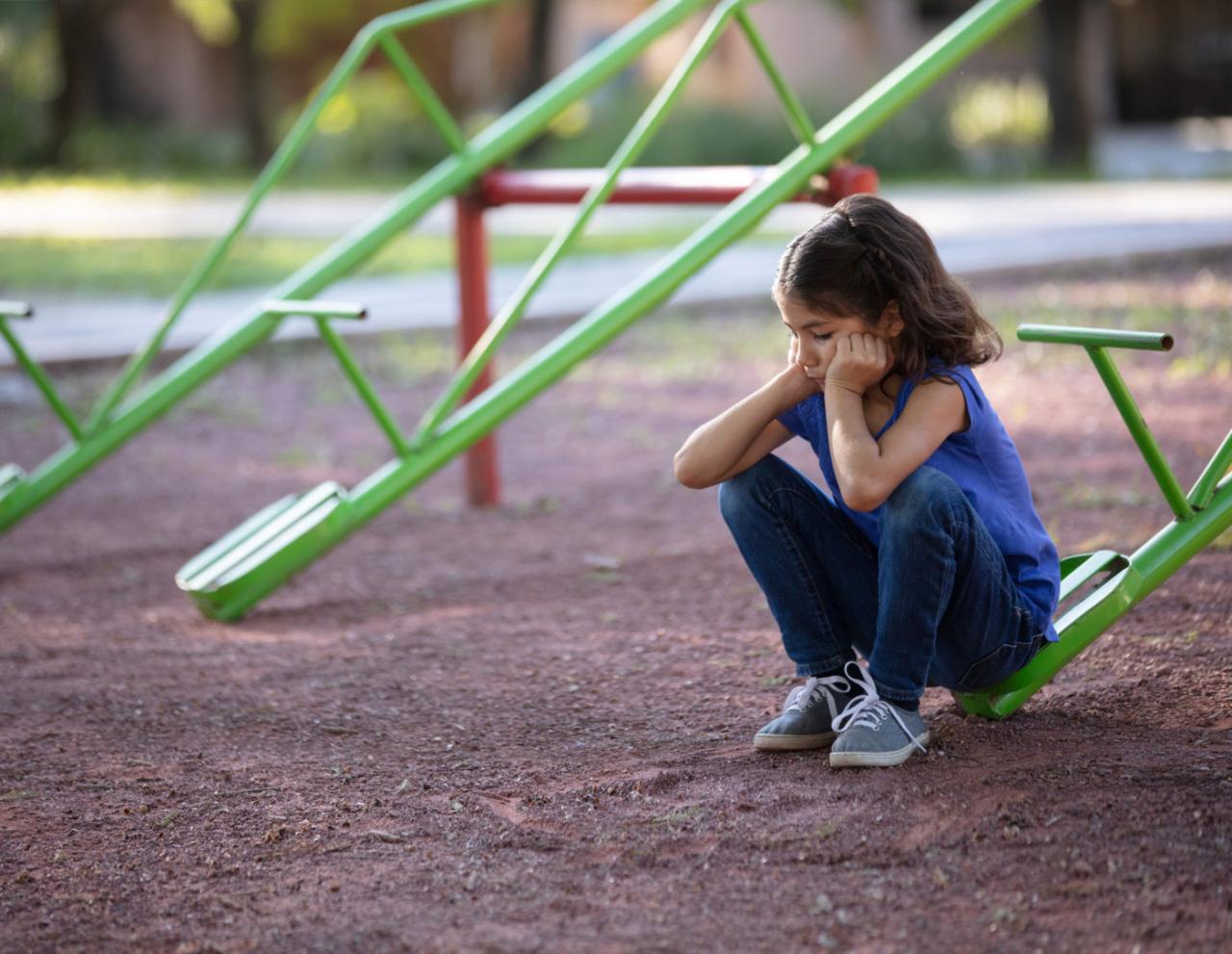
Family dynamics play a significant role in shaping a child’s sense of belonging and acceptance. The interplay between family members, the structure of the family unit, and the attitudes and behaviors of parents can either foster a supportive and inclusive environment or contribute to a child feeling marginalized and outcast. Understanding these factors is crucial in addressing the complex issue of outcast children.Family dynamics are complex and multifaceted.
They encompass not only the immediate family members but also the extended family, social networks, and the broader cultural context. The specific challenges and opportunities presented by different family structures vary greatly. This exploration will delve into the specific ways family dynamics can contribute to a child’s experience of being outcast.
Family Structures and Their Impact
Different family structures, including nuclear families, single-parent families, blended families, adoptive families, and families with diverse cultural backgrounds, each present unique challenges and opportunities for children. The transition between structures, such as divorce or remarriage, can also be a significant source of stress and potential exclusion. These transitions often involve shifting dynamics and expectations, which can lead to children feeling displaced or misunderstood.
Thinking about the ethics of children being ostracized by their fathers is a tough one. It’s a complex issue, and while I’m no expert, it seems to me that the rejection of a child, for any reason, is always a tragedy. The recent controversy surrounding the castellucci ring la monnaie performance, however, has me questioning whether such issues of parental rejection might be even more complex when viewed through the lens of artistic expression.
Ultimately, however, the ethics of a son’s or daughter’s ostracism remains a deeply personal and societal concern, regardless of the artistic interpretation.
It’s crucial to acknowledge that a specific structure isn’t inherently positive or negative, but the dynamics within that structure profoundly impact the child.
Exploring the ethics surrounding children who are ostracized is a complex issue, and unfortunately, it’s something that’s been happening throughout history. Looking at figures like Abney, Bey, Fordjour, Simmons, and the Harlem Renaissance’s impact on the Met, as seen in this insightful piece , offers valuable context on the struggles of marginalized communities. Ultimately, understanding these historical echoes helps us grapple with the continuing ethical questions surrounding the treatment of outcast children today.
Parental Attitudes and Behaviors
Parental attitudes and behaviors profoundly influence a child’s experience within the family. Consistent displays of favoritism, neglect, or abuse can lead to a child feeling isolated and unseen. Authoritarian parenting styles, while potentially aiming for structure, can stifle a child’s individuality and sense of self-worth, potentially leading to feelings of exclusion. Conversely, permissive parenting, lacking clear boundaries and expectations, may create confusion and insecurity.
A parent’s emotional availability and consistent engagement with their child are crucial for fostering a sense of belonging. Open communication, empathy, and active listening contribute significantly to creating a supportive and inclusive environment.
Table of Family Dynamics and Exclusion
| Family Structure | Parental Behaviors | Child’s Experience | Strategies for Change |
|---|---|---|---|
| Single-parent household | Overwhelmed parent struggling to manage all responsibilities, may inadvertently neglect one child. | Child may feel overlooked, leading to feelings of inadequacy or abandonment. Possible resentment or sibling rivalry. | Seek support groups or resources, establish clear communication with the child, involve extended family or community for assistance. |
| Blended family | Parents struggle to establish a unified household structure and expectations, or lack of consistency in discipline. | Child might feel like they don’t belong, experience conflicts with step-siblings or parents, or feel torn between loyalty to different family members. | Open communication among all family members, clear establishment of roles and expectations, seeking therapy or counseling for the family unit. |
| Adoptive family | Parents may struggle with adjusting to the needs of a child with unique experiences, possibly with cultural or emotional adjustment. | Child may experience a sense of displacement, feeling disconnected from their past, or difficulty integrating into the new family dynamic. | Building trust and communication, professional support for both parents and child, acknowledging the child’s past experiences. |
| Large family with multiple children | Parents may struggle to provide individual attention to each child, leading to a lack of individualized care and attention. | Child may feel overlooked or less important, leading to feelings of isolation and resentment towards siblings. | Time management strategies, assigning specific responsibilities, individual attention time for each child, and open communication about needs and feelings. |
Examining Educational Systems: Son Outcast Children Ethics
Educational institutions play a crucial role in shaping a child’s development and future prospects. However, the same systems can inadvertently perpetuate or exacerbate the struggles of outcast children. Understanding how schools function, and how they can either support or hinder these vulnerable students, is essential for creating more equitable and inclusive learning environments. Addressing systemic issues and fostering a supportive environment is vital for ensuring all children thrive.
Potential Biases and Discriminatory Practices
Schools, despite their best intentions, can harbor subtle biases and discriminatory practices that marginalize outcast children. These biases can manifest in various ways, such as unequal resource allocation, implicit bias in teacher interactions, and differing expectations based on perceived student ability or background. Unequal access to specialized support services, like counseling or tutoring, can disproportionately affect outcast children, exacerbating existing challenges.
Furthermore, a lack of culturally responsive teaching can result in a disconnect between the curriculum and the experiences of marginalized students.
Creating Inclusive Environments
Creating an inclusive learning environment requires a multifaceted approach. It begins with fostering a culture of respect and acceptance where all students feel valued and seen. This includes actively promoting diversity and understanding through curriculum integration, guest speakers, and community engagement. Implementing anti-bullying programs and promoting empathy-building exercises can help mitigate exclusionary behaviors. Open communication channels between teachers, parents, and students are critical to identify and address issues early.
Training teachers on culturally responsive pedagogy can help create a more equitable classroom environment.
Effective Teaching Strategies for Outcast Children
Effective teaching strategies for outcast children should prioritize individualized attention and cater to diverse learning styles. Utilizing differentiated instruction that addresses individual needs and strengths can create a more supportive learning experience. Collaborative learning activities, where students work together, can promote social inclusion and reduce feelings of isolation. Focusing on strengths and building confidence is paramount. Recognizing and valuing the unique experiences and backgrounds of outcast children can enhance their sense of belonging.
Providing opportunities for students to share their perspectives and experiences can create a more inclusive classroom culture.
Examples of Effective Teaching Strategies
- Project-Based Learning: This approach allows outcast children to showcase their unique talents and strengths in a collaborative setting. For example, a history project can focus on marginalized groups or events, allowing students to explore their own heritage and perspective.
- Flexible Grouping: Rather than rigid grouping, schools can implement flexible grouping to cater to different learning needs and strengths. This approach acknowledges the diversity in learning styles and paces.
- Culturally Responsive Teaching: Integrating diverse perspectives and cultural experiences into the curriculum fosters a sense of belonging and recognition for outcast children. For instance, incorporating literature from various cultures can expose students to different viewpoints and experiences.
School Policy, Impact, Changes, and Implementation
| School Policy | Impact on Students | Suggested Changes | Implementation Steps |
|---|---|---|---|
| Rigid seating arrangements | Can isolate students who may need more movement or social interaction. | Flexible seating arrangements and opportunities for student choice. | Surveys to gather student input, classroom discussions on preferences, and gradual implementation of options. |
| Limited extracurricular activities | Can exclude students who may not be naturally inclined to participate in typical activities. | Offer a wider variety of extracurricular activities, including those that cater to diverse interests. | Identify student interests through surveys, collaborate with community organizations for new options, and create clear communication channels for participation. |
| Uniform policies | May not be inclusive of diverse cultural or economic backgrounds. | Allow for greater flexibility and variety in attire while maintaining basic standards of hygiene and safety. | Consult with parents and students to identify potential compromises, review the school’s dress code policy, and organize workshops on acceptance and diversity. |
| Limited support services for learning disabilities or mental health issues. | Students may not receive the individualized attention they need. | Increased availability of counseling, tutoring, and specialized support programs. | Increase funding for these programs, train staff on identifying and supporting students with diverse needs, and develop clear protocols for referrals and support. |
Strategies for Support and Inclusion

Outcast children often face significant challenges in accessing resources and opportunities, hindering their social and emotional development. Creating supportive environments that foster inclusion is crucial for these children’s well-being and future success. This section will explore practical strategies to address the needs of outcast children and promote their full participation in society.Effective support strategies for outcast children necessitate a multifaceted approach that considers individual needs while also addressing systemic issues.
By combining targeted interventions with broader community initiatives, we can create a more welcoming and equitable environment for all children.
Targeted Support Programs
Addressing the unique needs of outcast children requires tailored interventions. These programs should focus on building self-esteem, promoting social skills, and fostering a sense of belonging. Effective programs often involve a combination of therapy, support groups, and educational interventions.
- Individualized Therapy: This often includes cognitive behavioral therapy (CBT) to address anxieties and develop coping mechanisms. For example, a child experiencing social isolation might benefit from therapy focused on building social confidence and improving communication skills.
- Support Groups: These groups provide a safe space for children to connect with others who understand their experiences. The sharing of experiences and coping strategies can help foster a sense of community and reduce feelings of isolation.
- Educational Modifications: This includes individualized learning plans that cater to specific learning styles and needs. Adapting classroom environments to create a more inclusive atmosphere is also crucial.
Community Initiatives for Acceptance
Community-based programs play a vital role in fostering acceptance and belonging. These initiatives often involve engaging families, schools, and community organizations to create a supportive network.
- Family Support Networks: These networks can provide crucial resources and guidance to families struggling with the challenges of raising an outcast child. Workshops on parenting skills, communication strategies, and conflict resolution can empower families to support their children more effectively.
- School-Based Inclusion Programs: Implementing programs that encourage social inclusion and understanding among students can make a significant difference. Peer mediation programs, anti-bullying campaigns, and diverse-themed activities are examples of effective interventions.
- Community Awareness Campaigns: Raising awareness about the experiences of outcast children through community events and workshops can help combat prejudice and promote empathy.
The Role of Mentorship and Role Models
Mentorship and role models can have a profound impact on the lives of outcast children. A positive influence can help instill confidence, guide decision-making, and provide a source of support during challenging times.
- Mentorship Programs: Pairing outcast children with mentors who understand their experiences can offer crucial guidance and support. Mentors can provide a safe space for open communication, share their own experiences, and provide a positive role model.
- Community Leaders as Role Models: Highlighting community leaders who have overcome similar challenges can inspire outcast children. Sharing their stories can demonstrate that success is attainable despite adversity.
Support Strategy Table
| Support Strategy | Target Audience | Expected Outcomes | Evaluation Metrics |
|---|---|---|---|
| Individualized Therapy | Outcast children experiencing social isolation, anxiety, or behavioral issues | Improved coping mechanisms, increased self-esteem, and better social skills | Reduced frequency of behavioral problems, improved self-reported emotional well-being, and increased participation in social activities |
| Support Groups | Outcast children and their families | Enhanced sense of community, peer support, and shared experiences | Increased attendance rates, positive feedback from participants, and observable improvements in social interactions |
| Mentorship Programs | Outcast children seeking guidance and support | Improved self-confidence, increased motivation, and enhanced academic performance | Improved academic grades, increased participation in extracurricular activities, and positive feedback from mentors and mentees |
| Community Awareness Campaigns | General community members | Increased awareness and empathy towards outcast children, reduced prejudice | Increased community engagement in support programs, reduced instances of negative interactions, and positive media coverage |
The Role of Mental Health
The experience of being an outcast child can profoundly impact mental well-being. Social isolation, rejection, and a lack of belonging can create a breeding ground for various emotional and psychological difficulties. Understanding the potential mental health implications is crucial for developing effective support systems and interventions.The pervasive feeling of isolation and the constant struggle for acceptance can lead to significant mental health challenges for outcast children.
Negative self-perception, low self-esteem, and feelings of worthlessness are often the direct results of ongoing social exclusion. These experiences can have a long-lasting effect on an individual’s emotional development, shaping their relationships and overall sense of self.
Mental Health Implications of Outcasting
Outcast children often experience a range of negative emotions, including anxiety, depression, and feelings of hopelessness. These feelings are not simply fleeting; they can be deeply ingrained and persistent. The lack of supportive relationships can impede the development of essential coping mechanisms, increasing vulnerability to mental health disorders.
The ethics surrounding children who are, for whatever reason, cast out from their families are incredibly complex. Think about the difficult decisions facing parents in situations like Alabama’s recent legal battles over frozen embryos, where the rights of those children are in question. Alabama frozen embryos children are a compelling example, highlighting the often conflicting desires and needs of individuals and families.
Ultimately, the responsibility of protecting and nurturing the well-being of these children should be paramount in any ethical framework.
Potential for Developing Mental Health Issues
Children who are consistently excluded from social groups or treated differently often develop a sense of isolation and alienation. This can result in a range of emotional and behavioral problems. Prolonged exposure to negative social experiences can significantly affect the development of emotional regulation skills.
Examples of Mental Health Challenges
Outcast children might experience a range of mental health challenges, including:
- Anxiety Disorders: Persistent worry, fear of social situations, and panic attacks are possible outcomes of the constant fear of rejection and judgment.
- Depression: Feelings of sadness, hopelessness, and loss of interest in activities are common responses to prolonged social isolation and a sense of being unwanted.
- Post-Traumatic Stress Disorder (PTSD): Severe or repeated experiences of bullying, harassment, or other forms of mistreatment can lead to PTSD, characterized by flashbacks, nightmares, and avoidance behaviors.
- Behavioral Problems: Children who feel excluded or marginalized might exhibit disruptive behaviors, aggression, or withdrawal as a coping mechanism.
A Framework for Understanding and Addressing Mental Health Challenges
This table provides a framework for understanding the various mental health issues outcast children may face, along with potential causes, intervention strategies, and resources for support.
| Mental Health Issue | Possible Causes | Intervention Strategies | Resources for Support |
|---|---|---|---|
| Anxiety Disorders | Constant fear of rejection, social isolation, and negative experiences | Cognitive behavioral therapy (CBT), relaxation techniques, social skills training | Therapists specializing in child and adolescent anxiety, school counselors, support groups |
| Depression | Feelings of hopelessness, low self-esteem, and a sense of isolation | Therapy, medication (if necessary), lifestyle changes, support from family and friends | Mental health professionals, support groups, crisis hotlines |
| PTSD | Severe or repeated trauma, such as bullying or harassment | Trauma-informed therapy, support groups, exposure therapy | Trauma specialists, mental health professionals specializing in PTSD, crisis centers |
| Behavioral Problems | Frustration, anger, and a lack of coping mechanisms resulting from social exclusion | Behavioral therapy, anger management techniques, positive reinforcement, parental support | Behavioral therapists, school psychologists, parenting support groups |
Last Word
In conclusion, the ethical considerations surrounding outcast children demand a multifaceted approach. Understanding the root causes of exclusion, from family dynamics to societal norms, is crucial for developing effective strategies to support these children. This requires a collective effort from parents, educators, social workers, and the community to create a more inclusive and just society. The well-being of these children depends on our ability to recognize their unique struggles and provide appropriate support systems, fostering a sense of belonging and ensuring their potential for a healthy and fulfilling future is realized.
Clarifying Questions
What are some common reasons why a child might be considered “outcast”?
Children may be outcast due to various factors, including disabilities, behavioral differences, academic struggles, socioeconomic status, or family conflicts. Sometimes, it’s due to bullying or peer pressure, or even perceived differences in appearance or interests. Each situation is unique, and a deeper understanding of the individual circumstances is crucial.
How can schools create a more inclusive environment for outcast children?
Schools can promote inclusivity through diverse teaching methods, creating opportunities for interaction and understanding among students, and implementing anti-bullying programs. Training teachers on recognizing and addressing potential biases is also vital.
What resources are available to support outcast children and their families?
Various organizations and support groups offer resources, including counseling services, educational programs, and advocacy groups. Local community centers, social service agencies, and online platforms may also provide crucial assistance.
How can parents foster a sense of belonging for their children?
Parents can create a supportive environment by promoting empathy, encouraging open communication, and fostering a sense of self-worth in their children. Building strong relationships with teachers and other community members is also beneficial.