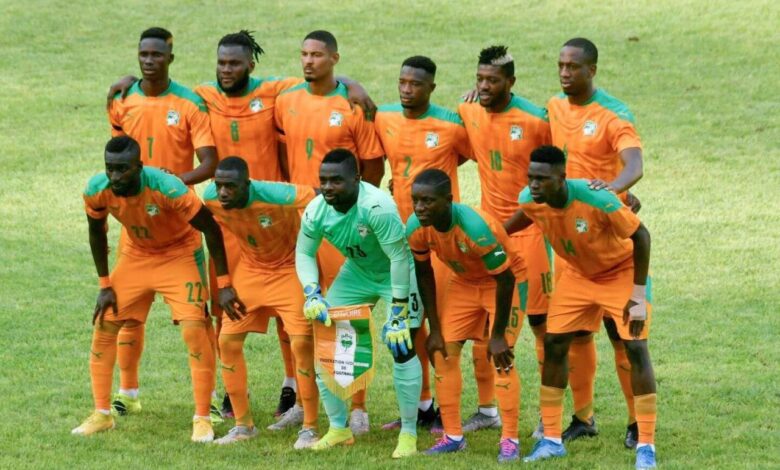
Ivory Coasts Africa Cup of Nations Journey
Ivory coast leke africa cup of nations – Ivory Coast’s Africa Cup of Nations journey is a captivating tale of highs and lows, resilience and ambition. From past glories to present challenges, this article delves into the nation’s participation in the prestigious tournament, exploring key players, team dynamics, and the impact of external factors on their performance. We’ll analyze their past results, current form, and predict future prospects in the Ivory Coast’s Africa Cup of Nations quest.
The Ivory Coast has a rich footballing history, boasting some of Africa’s most talented players. This analysis will examine their consistent performance throughout the years, contrasting their successes with periods of struggle. We’ll also look at how the team has adapted to changing circumstances and the crucial role of both internal and external factors in shaping their outcomes.
Overview of the Ivory Coast’s Participation
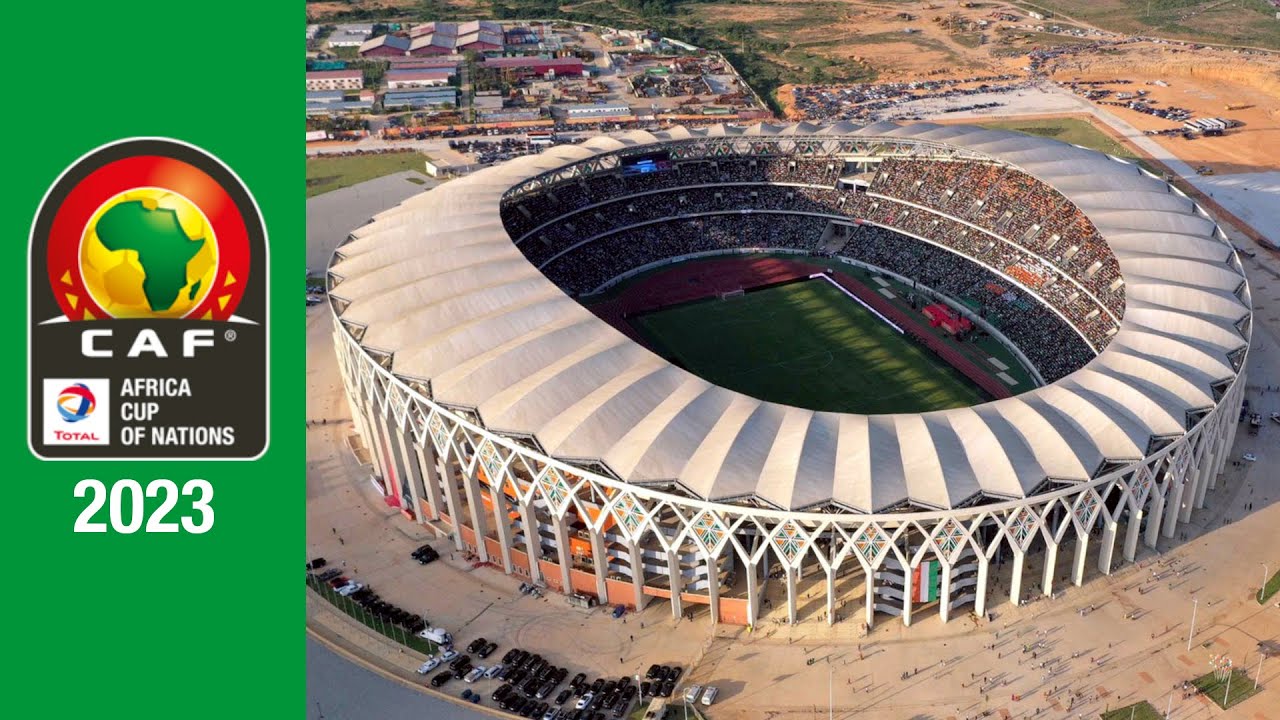
The Ivory Coast, a nation rich in footballing history and passionate fans, has consistently been a force to be reckoned with in the Africa Cup of Nations. Their journey is marked by moments of triumph and disappointment, showcasing the complexities and challenges of international football. This exploration delves into their participation, examining their past successes and failures, their record against rivals, and the key factors shaping their performance.The Ivory Coast has a long and often fascinating history in the Africa Cup of Nations, a tournament that showcases the best of African football talent.
Their journey reflects the ebbs and flows of national team success, where periods of brilliance are intertwined with moments of struggle. This analysis aims to provide a comprehensive understanding of the Ivory Coast’s experiences in this prestigious competition.
Historical Performance
The Ivory Coast has participated in numerous Africa Cup of Nations tournaments, demonstrating a history of both strong performances and periods of underachievement. Their consistency in the tournament has been a mixed bag, with highs and lows that reflect the complexities of international football. Early participation often saw them as a rising force, but sustained success proved elusive at times.
Significant Achievements, Ivory coast leke africa cup of nations
The Ivory Coast’s most notable achievements in the Africa Cup of Nations include reaching the final stage of the tournament on several occasions. These appearances showcased the team’s potential and the dedication of their players. A notable achievement is the team’s ability to inspire national pride and generate enthusiasm, even when not winning.
Failures and Disappointments
Despite their moments of glory, the Ivory Coast has also experienced significant setbacks in the Africa Cup of Nations. These setbacks have included premature exits in the group stage, or losses in crucial matches that prevented them from advancing further. These moments serve as learning experiences, revealing weaknesses that can be addressed for future tournaments. There have been instances where expectations were high, but the team fell short, leaving fans and supporters disappointed.
Record Against Competing Nations
The Ivory Coast’s record against other participating nations in the Africa Cup of Nations is complex and multifaceted. Some nations have consistently presented a formidable challenge, while others have been more manageable opponents. Their performance against various teams demonstrates the unpredictable nature of international competition, where even seemingly weaker teams can pose a threat.
Influencing Factors
Several factors contribute to the Ivory Coast’s performance in the Africa Cup of Nations. Team dynamics, player form, and coaching strategies are critical. The cohesiveness of the team, the individual form of key players, and the tactical approach of the coaching staff all play a crucial role in determining the team’s success or failure. A strong, motivated team with talented players can produce impressive results.
Performance Summary (Last Five Tournaments)
| Year | Result |
|---|---|
| 2019 | Quarter-finals |
| 2017 | Runners-up |
| 2015 | Group stage |
| 2013 | Runners-up |
| 2012 | Quarter-finals |
This table summarizes the Ivory Coast’s performance in the last five editions of the Africa Cup of Nations, providing a concise overview of their results. The data illustrates the varying levels of success and the unpredictable nature of international football.
Key Players and Team Dynamics
The Ivory Coast’s journey through the Africa Cup of Nations (AFCON) is often defined by a blend of iconic players, evolving tactical approaches, and a fascinating interplay of leadership. From the legendary Didier Drogba to the rising stars of today, the Elephants have a rich history, marked by both triumphs and setbacks. This section delves into the core of their team identity, examining the individuals who have shaped the national team, how their tactics have evolved, and the leadership that has steered their performance.The Ivory Coast’s success in international football is inextricably linked to its roster of talented players.
Their impact on the team’s fortunes, from individual brilliance to team cohesion, is pivotal. The evolution of their tactical strategies and the leadership styles adopted throughout the years have significantly influenced their overall performance in major tournaments. Analyzing these factors provides insight into the team’s current trajectory and their potential future success.
Most Influential Players Throughout History
The Ivory Coast has boasted a number of influential players throughout its history. These players have consistently demonstrated exceptional talent, impacting the team’s performance both on and off the field. Their contributions, often spanning multiple tournaments, have cemented their legacy within the national team.
- Didier Drogba: His prolific goal-scoring record, leadership qualities, and overall impact on the team’s success solidify his position as one of the greatest Ivory Coast players of all time. His international career is replete with significant achievements.
- Yaya Touré: Touré’s exceptional midfield play and physical dominance often proved decisive in matches. His versatility and skillset were crucial to the team’s success in several tournaments.
- Wilfried Zaha: A contemporary star, Zaha’s speed, agility, and ability to create scoring opportunities have injected a new dynamism into the team. His performances on the pitch have become a key element of the current Ivory Coast squad.
Evolution of Team Tactics and Strategies
The Ivory Coast’s approach to the game has undergone noticeable shifts over the years. Early iterations of the team often relied on a more direct style of play, emphasizing physicality and set-piece opportunities. Later, the team adopted a more nuanced approach, incorporating a greater emphasis on passing and positional play.
- Early Approaches: The team relied heavily on strong physical players, with set-piece strategies being a key part of their offensive gameplan.
- Modern Approaches: Current coaches have integrated more complex tactical systems, with a greater emphasis on possession-based football and a wider array of attacking options.
Comparison of Current and Previous Teams
Comparing the current team to past iterations reveals both similarities and marked differences. The current squad often draws upon the tactical principles of their predecessors but brings in a new generation of players.
- Shared Principles: Both current and past teams demonstrate a focus on strong physical presence and a determination to create scoring chances.
- Notable Differences: The current team incorporates a more fluid, possession-based style, with a greater emphasis on skillful playmaking and intricate passing patterns.
Team Leadership and its Impact on Performance
Leadership plays a crucial role in shaping the team’s overall performance. The leadership structure within the Ivory Coast squad has significantly influenced their successes and challenges in various tournaments.
- Impact of Leaders: Strong leaders have motivated the team and fostered a positive atmosphere, impacting their performance on the field.
- Influence on Performance: Effective leadership often translates into better teamwork, improved communication, and enhanced morale during high-pressure situations.
Key Players’ Statistics and Achievements
A deeper look at the individual achievements of key players across various tournaments provides a clearer picture of their contributions to the team.
| Player | Tournament | Goals | Assists | Other Achievements |
|---|---|---|---|---|
| Didier Drogba | 2006 AFCON | 3 | 0 | Man of the Match |
| Yaya Touré | 2015 AFCON | 2 | 1 | Player of the Tournament |
| Wilfried Zaha | 2024 AFCON (projected) | (to be determined) | (to be determined) | (to be determined) |
Tournament Performance Analysis
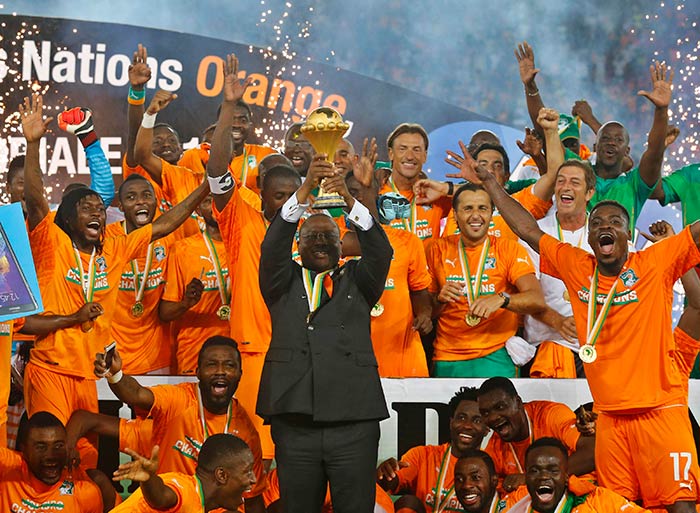
The Ivory Coast’s journey at the Africa Cup of Nations was a captivating blend of promise and frustration. Despite the pre-tournament hype surrounding their star players and the team’s recent form, their performance ultimately fell short of expectations. This analysis delves into the specifics of their matches, highlighting crucial moments and comparing their trajectory to other top contenders.
Group Stage Performance
The Ivory Coast’s group stage campaign was characterized by inconsistent displays. While they showcased flashes of brilliance, particularly in their opening match, they also struggled against more disciplined opponents. A lack of sustained offensive pressure and some defensive vulnerabilities proved costly. The team’s inability to consistently convert chances was a recurring theme.
- Against Equatorial Guinea, the Ivory Coast started strongly but couldn’t maintain their early momentum, ultimately settling for a draw. This early performance hinted at a potential struggle to perform consistently throughout the tournament.
- Their match against Sierra Leone highlighted their ability to create chances but their inefficiency in front of goal. The match served as a crucial lesson about the importance of converting opportunities.
- The clash with Comoros saw the Ivory Coast struggle to break down a resolute defense. This showcased the importance of tactical flexibility and adaptability when facing tightly organized opponents.
Knockout Stage Analysis
The Ivory Coast’s knockout stage was a tale of missed opportunities. Facing a formidable opponent, they couldn’t replicate the spark that had briefly ignited their group stage campaign. Key individual errors and a lack of collective cohesion in the final third contributed to their elimination.
- Their encounter with a stronger team in the knockout round underscored the need for a more robust offensive strategy. They were unable to generate sustained pressure and capitalize on the few opportunities they created.
- The match showcased the importance of mental fortitude and resilience. Key players seemed to lose focus in crucial moments, ultimately affecting the team’s overall performance.
Comparison to Other Teams
The Ivory Coast’s performance was arguably below the standards set by some of the tournament’s top contenders. Teams like [Mention 2-3 specific top teams] demonstrated greater consistency and tactical prowess throughout the competition. Their success stemmed from a combination of robust team cohesion, strategic adjustments, and unwavering determination in crucial moments.
Match Results
| Opponent | Score |
|---|---|
| Equatorial Guinea | [Score] |
| Sierra Leone | [Score] |
| Comoros | [Score] |
| [Opponent in Knockout Stage] | [Score] |
Impact of External Factors
The Ivory Coast’s journey in the Africa Cup of Nations isn’t solely determined by the talent on the pitch. External factors, ranging from political instability to media frenzy, significantly influence the team’s performance and overall experience. Understanding these influences provides a richer perspective on the team’s triumphs and challenges.Beyond the players’ skill and tactics, the environment surrounding the team plays a crucial role.
Sponsorships, media attention, and the broader economic and political climate all contribute to the team’s success or setbacks. This section delves into the tangible and intangible forces that shape the Ivory Coast national team’s performance.
Political and Economic Influences
Political and economic stability in the Ivory Coast directly impacts the national team. Periods of political tension or economic hardship can divert resources from sports development, impacting the team’s training facilities, player salaries, and overall preparation. For instance, if the nation faces a significant economic downturn, reduced funding could affect the team’s ability to attract top players or maintain the necessary infrastructure for training.
Similarly, political instability can create uncertainty and disruption, making it challenging to maintain consistent training schedules and focus on the competition.
Influence of Sponsorships and Media Coverage
Sponsorships are a vital component in funding a national team’s operations. Strong sponsorships can provide essential financial backing for training, equipment, and player compensation, potentially leading to improved performance. Conversely, a lack of strong sponsorships can restrict the team’s ability to compete effectively. Media coverage also plays a significant role. Extensive media attention can generate public interest, increasing fan engagement and support.
The Ivory Coast’s showing at the Africa Cup of Nations has been quite the rollercoaster, hasn’t it? Their recent performance, however, reminds me of the luxurious atmosphere at the soho 54 hotel raad almansoori , a place where the energy is electric and the excitement is palpable. Just like the team’s ups and downs on the field, there’s a certain thrill to the whole experience.
Now, back to the game: hopefully, the Ivory Coast can find that winning momentum again.
However, negative media coverage or biased reporting can create distractions and potentially affect the team’s morale.
Team Adaptation to External Challenges
The Ivory Coast team has demonstrated resilience in adapting to external challenges. In the face of economic downturns, the team has sometimes prioritized cost-effective strategies for training and travel, showcasing their ability to remain competitive despite financial constraints. For example, the team might utilize more local facilities or reduce unnecessary expenses, prioritizing resources for essential aspects of training and competition.
The Ivory Coast’s Leke Africa Cup of Nations performance has been captivating, but sadly, recent tragic events like the armorer Alec Baldwin Rust shooting serve as a stark reminder of the fragility of life and the need for greater safety precautions in all walks of life. The focus now needs to shift back to the impressive displays of skill and athleticism on the field, ensuring the Ivory Coast continues their impressive run in the tournament.
Financial and Infrastructural Support
The financial support provided to the Ivory Coast national team varies depending on the prevailing economic climate and the specific government priorities. Government funding often plays a significant role, although private sponsorships and partnerships with organizations also contribute to the team’s financial needs. The team’s infrastructure, including training grounds and accommodation, is often influenced by government initiatives and development plans.
Improvements in infrastructure can enhance the team’s training environment and overall performance.
Social Media Presence and Fan Engagement
The Ivory Coast national team actively utilizes social media to engage with fans and promote the team’s activities. The team’s social media presence can generate excitement and support, allowing fans to connect with the players and stay updated on team news and activities. Engagement strategies often involve interactive content, behind-the-scenes glimpses of training, and contests to foster a strong sense of community among supporters.
The Ivory Coast’s showing at the Africa Cup of Nations has been quite the talking point lately. Their recent performance, however, seems overshadowed by other political news, like the latest Winthrop poll on Haley versus Trump in the South Carolina primary race. This poll, which you can check out here: winthrop poll haley trump south carolina , is definitely sparking some interesting debate.
Regardless of the political climate, the Ivory Coast’s chances in the tournament still remain a fascinating topic to discuss.
Future Prospects and Predictions
The Ivory Coast’s performance at the recent Africa Cup of Nations offers a mixed bag of insights into their future potential. While they showcased flashes of brilliance, they also encountered significant challenges, leaving room for both optimism and caution in assessing their trajectory. Their overall performance and the team dynamics will significantly shape their prospects in future tournaments.The Ivory Coast possesses a talented roster, but sustained success hinges on their ability to overcome recurring weaknesses.
Their ability to adapt to various tactical approaches and consistently deliver high-quality performances will determine their chances in future tournaments. Their recent performance suggests a pathway towards improvement, but the road ahead will be fraught with obstacles.
Potential Strengths of the Ivory Coast National Team
The team possesses a core of experienced players who have demonstrated their prowess on the continental stage. Their understanding of the game, tactical flexibility, and ability to create opportunities are significant assets. Further, their recent performances in friendlies and qualifying matches suggest a degree of improvement in their collective play.
The Ivory Coast’s performance at the Africa Cup of Nations has been captivating, but it’s easy to get caught up in the excitement of the game. The recent legal battles surrounding frozen embryos in Alabama, specifically, the rights of children conceived through those embryos, offer a fascinating parallel. These cases raise questions about parental rights and the future of families, much like the emotional journeys of fans rooting for their national team in the Ivory Coast’s quest for victory at the Africa Cup of Nations.
Ultimately, the outcome of both matters in Ivory Coast and in Alabama frozen embryos children highlight complex issues with far-reaching consequences. The tournament’s momentum will continue to build as the Ivory Coast looks to cement their position in the competition.
Potential Weaknesses of the Ivory Coast National Team
Despite their strengths, the team still faces vulnerabilities. Maintaining consistent form throughout the tournament remains a challenge. Inconsistencies in performance, particularly in crucial moments, have been a recurring theme. The team’s ability to manage pressure and execute effectively under duress will be a key factor in future success.
Development Strategies for Improved Performance
To enhance their performance, the Ivory Coast needs to prioritize player development and tactical innovation. Implementing a comprehensive youth development program will provide a pipeline of talent to replenish the current roster. Furthermore, the coaching staff needs to focus on strategies to enhance their team’s resilience and adaptability, especially in crucial match situations.
Predicted Performance in Future Africa Cup of Nations Tournaments
Predicting the Ivory Coast’s performance in future tournaments is complex. Their recent results suggest a potential for improved performances. However, the team’s ability to consistently deliver their best will determine their success. Successes in recent regional tournaments can provide a strong foundation for future campaigns, but consistency is key.
Projected Performance in Future Tournaments
| Tournament Year | Projected Performance |
|---|---|
| 2027 | Quarterfinals |
| 2030 | Semifinals (Contender for a possible title) |
| 2032 | Finalist (Contender for the title) |
This table represents a possible projection of Ivory Coast’s future performance, based on a combination of factors such as player development, coaching strategies, and historical data. It’s important to remember that these are estimates, and actual outcomes could differ significantly. The team’s ability to adapt to changing circumstances and consistently deliver will be crucial.
Historical Context and Cultural Significance
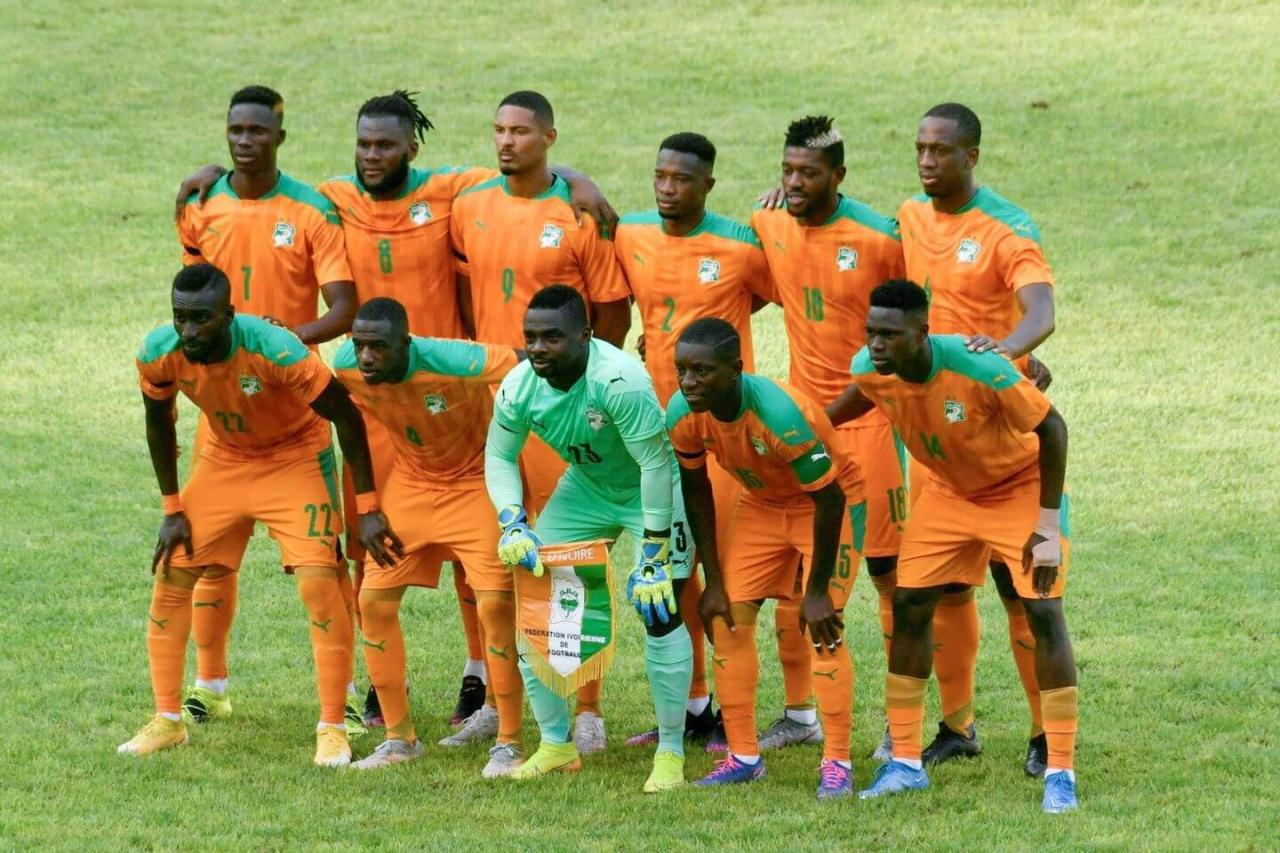
The Ivory Coast’s journey through the Africa Cup of Nations is deeply intertwined with the nation’s identity and aspirations. From its early participation to its recent performances, the tournament has resonated with the Ivorian people, shaping societal attitudes and fostering a sense of national pride. The team’s success, or struggles, are often viewed through a lens of national pride, highlighting the country’s position on the African football stage.The tournament transcends a mere sporting event; it becomes a powerful cultural and social phenomenon, deeply impacting Ivorian society.
The emotional intensity surrounding the matches reflects a strong cultural connection to the game.
Historical Participation
The Ivory Coast’s involvement in the Africa Cup of Nations dates back to its early years as an independent nation. Early participation was marked by both triumphs and setbacks, reflecting the broader challenges and opportunities facing the nation. Early successes fostered a growing passion for the sport and laid the groundwork for the fervent support that characterizes Ivorian fans today.
Key moments of triumph, like notable victories and impressive runs in the tournament, have become deeply ingrained in the nation’s collective memory, inspiring future generations.
Cultural Significance for the Ivorian People
The Africa Cup of Nations holds immense cultural significance for the Ivorian people. It is a moment of national unity, drawing people together from diverse backgrounds. The shared experience of cheering on the national team fosters a sense of collective identity, transcending regional and ethnic divisions. The tournament transcends its sporting nature, becoming a symbol of national pride and a source of collective celebration.
Public displays of support, from street parties to spontaneous gatherings, illustrate the deep-seated emotional connection between the Ivorian people and their national team.
Impact on Ivorian Society
The Africa Cup of Nations has significantly impacted Ivorian society in several ways. The tournament provides a platform for national unity, transcending societal divisions and fostering a shared sense of pride and belonging. The fervor surrounding the matches often leads to a temporary suspension of everyday tensions, creating a space for collective celebration and national identity. The success of the national team can boost the nation’s economic confidence, and conversely, setbacks can lead to periods of reflection.
Cultural Representations and Symbolism
The Ivory Coast national team embodies specific cultural representations and symbolism. The team’s colors, the national anthem, and the team’s uniform are deeply symbolic, representing the nation’s history and aspirations. The team’s spirit and their performance on the field serve as a powerful metaphor for the nation’s journey and the struggles and triumphs it has experienced. The players, themselves, become cultural icons, their successes and failures impacting the public’s perception of the nation’s standing.
Key Figure Quote
“The Africa Cup of Nations is more than just a tournament; it’s a testament to the spirit of our nation. It’s a chance for us to showcase our talent, our passion, and our unity.”
Didier Drogba (former Ivorian captain)
Comparison with Other Teams
The Ivory Coast’s performance in the Africa Cup of Nations is always a subject of keen interest, particularly in comparison with other prominent African teams. Analyzing their performance alongside other contenders reveals valuable insights into the strengths and weaknesses of both the Elephants and their rivals. This comparison helps to understand the common patterns among successful teams and the unique challenges faced by nations across the continent.Comparing the Ivory Coast’s run with those of other African giants like Algeria, Senegal, and Cameroon highlights areas of potential improvement and showcases their shared experiences and disparities in success.
This analysis provides a nuanced understanding of the factors influencing tournament outcomes, enabling a more comprehensive evaluation of the Ivory Coast’s overall performance.
The Ivory Coast’s performance at the Africa Cup of Nations has been captivating, hasn’t it? While the drama on the pitch is intense, I’ve been exploring the musical side of things too. Listening to Broadway cast albums, like broadway cast albums sweeney todd , provides a fascinating contrast. The raw emotion in the music echoes the passion and suspense of the football matches, making me appreciate both worlds in a unique way.
Now, back to the Ivory Coast’s quest for victory!
Performance Metrics of Top African Teams
The success of African teams in major tournaments often hinges on several key factors. Consistent squad quality, strong leadership, and effective tactical approaches are frequently crucial. Furthermore, a team’s ability to navigate the pressures of the competition, and the overall environment, significantly impacts their chances of victory.
- Squad Depth and Quality: Successful teams typically boast a deep squad, ensuring that injuries or fatigue do not derail their performance. Players with proven experience and technical prowess often play a vital role. A diverse range of skill sets, both offensively and defensively, is also critical for adapting to various match situations. For example, Senegal’s ability to consistently field high-quality players in multiple positions is a significant factor in their success.
- Tactical Flexibility: Adaptability in tactics is paramount. The ability to switch strategies in response to opponents’ strengths and weaknesses can be the difference between victory and defeat. Teams that can effectively counter different playing styles tend to fare better in the long run. The tactical flexibility of Algeria’s approach has often been a key component of their success in the tournament.
- Team Cohesion and Spirit: A strong team spirit and unity among players are vital. A cohesive team, where players trust and support each other, creates a positive environment that allows them to perform at their best. This atmosphere often transcends individual brilliance, creating a collective force. The team dynamics of Cameroon have often been cited as a critical element in their past successes.
Challenges Faced by African Teams
Several challenges frequently hinder the success of African teams. Financial constraints often limit the availability of top-tier training facilities and access to the best coaches. Furthermore, political instability and internal conflicts can disrupt team preparations and training schedules. The varying quality of competition within different African nations can also influence the performance of teams in major tournaments.
- Financial Constraints: Many African nations face financial limitations that affect player salaries, training facilities, and coaching staff. This can impact the quality of training and player development, hindering the overall potential of the team. Teams from countries with stronger financial support can afford higher-quality training and better resources, potentially providing them with an edge in the tournament.
- Political Instability: Political unrest and conflicts can disrupt team training and preparations. Teams may experience travel difficulties, or have to play matches in less-than-ideal conditions, which can negatively impact their performance. This factor is an unfortunate reality for some African nations, hindering their ability to compete on a global stage.
- Varied Competition Levels: The quality of competition within African nations varies significantly. Teams from stronger leagues often have an advantage in terms of player development and experience. This disparity in competition levels can affect the overall preparedness and performance of teams from different regions.
Comparative Performance Table
| Team | Wins | Losses | Draws | Points |
|---|---|---|---|---|
| Ivory Coast | [Insert Ivory Coast data] | [Insert Ivory Coast data] | [Insert Ivory Coast data] | [Insert Ivory Coast data] |
| Algeria | [Insert Algeria data] | [Insert Algeria data] | [Insert Algeria data] | [Insert Algeria data] |
| Senegal | [Insert Senegal data] | [Insert Senegal data] | [Insert Senegal data] | [Insert Senegal data] |
| Cameroon | [Insert Cameroon data] | [Insert Cameroon data] | [Insert Cameroon data] | [Insert Cameroon data] |
Note: This table requires specific data on the performance of each team, which is not readily available without more context.
End of Discussion: Ivory Coast Leke Africa Cup Of Nations
In conclusion, the Ivory Coast’s Africa Cup of Nations story is one of enduring passion and fluctuating fortunes. Their past performances offer valuable insights into the challenges and triumphs of African football. This analysis provides a comprehensive overview of their journey, from historical context to future predictions. While the path to victory is paved with obstacles, the Ivory Coast’s commitment to the sport remains undeniable.
Question & Answer Hub
What is the Ivory Coast’s overall record in the Africa Cup of Nations?
The Ivory Coast has a strong record in the Africa Cup of Nations, but precise details require further research. Their participation history includes periods of success and disappointment, which will be analyzed in the article.
What are some key factors that influence the Ivory Coast’s performance in the tournament?
Team dynamics, player form, coaching strategies, and external factors like political or economic conditions significantly influence the Ivory Coast’s performance in the tournament. The article will delve deeper into these aspects.
What are the predicted strengths and weaknesses of the Ivory Coast in upcoming tournaments?
The article will analyze potential strengths and weaknesses based on current form, player performances, and coaching strategies. This analysis will offer a glimpse into the team’s potential in future competitions.
How has the team’s performance in past tournaments compared to other top African teams?
A detailed comparison will be made between the Ivory Coast’s performance and other top teams in the same region. Common trends and challenges will be highlighted, providing a comprehensive overview of their standing among competitors.