
COVID Vaccine Arm Vacunas Covid Que Brazo
Vacunas Covid Que Brazo is a phrase that likely translates to “COVID vaccines, which arm?” in English, raising questions about where to get the shot. This comprehensive guide delves into the meaning, common misunderstandings, different vaccine types, and important factors to consider when discussing vaccination sites.
Understanding the correct injection site is crucial for effective vaccination and minimizing potential complications. This blog post will explore the anatomy of the arm, the procedures involved, and the potential side effects that might occur at the injection site. We will also examine the various types of COVID-19 vaccines, their administration methods, and the recommended schedules for each.
Understanding the Phrase “Vacunas Covid Que Brazo”
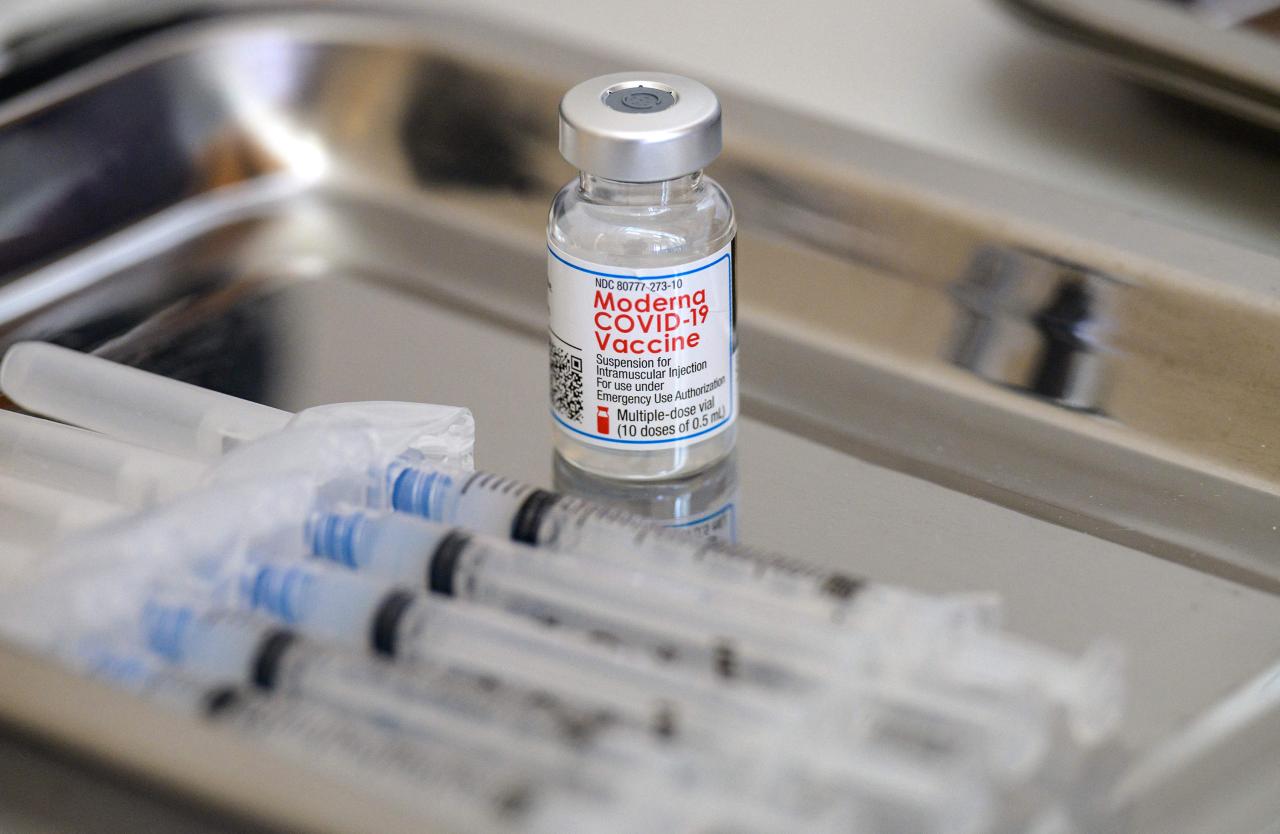
The phrase “Vacunas Covid Que Brazo” is a Spanish phrase commonly used in conversations about COVID-19 vaccines. It literally translates to “COVID vaccines which arm.” However, its meaning extends beyond a simple literal translation. This phrase highlights the importance of proper administration of vaccines and the location where they are injected.The phrase “Vacunas Covid Que Brazo” is not a formal medical term but a common way people discuss vaccination in a conversational context.
So, I was looking up which arm to get my COVID vaccine in, and then, BAM! I stumbled upon news about the tragic Super Bowl Kansas City shooting. It’s such a shame that something so joyful, like the Super Bowl, could be marred by such violence. Thankfully, the information about which arm to get the vaccine in was pretty straightforward.
I’m glad I could find that easily, now I just need to focus on getting the shot in the right arm! super bowl kansas city shooting
Its meaning is usually understood within the cultural context of Spanish-speaking communities.
Literal Translation and Meaning
The phrase “Vacunas Covid Que Brazo” literally translates to “COVID vaccines which arm.” This highlights the specific arm used for the injection, a key factor in proper vaccination procedures. The implication is that the vaccine was correctly administered in the specified arm, and the location is important for identification and record-keeping.
Cultural Context
In Spanish-speaking cultures, conversations about health often happen in informal settings. The use of “que brazo” (which arm) emphasizes the need for accuracy and clarity when discussing vaccine administration. This detail might be more prominent in these cultures due to factors such as a focus on the specifics of the process.
Potential Implications in a Healthcare Setting
In a healthcare setting, understanding this phrase is important for patient records and tracking. Knowing the specific arm of injection could aid in preventing errors and ensuring proper documentation. It could also help with future reference for the patient, for instance, in the case of adverse reactions or follow-up appointments.
Different Ways People Might Use This Phrase
People might use this phrase in various ways:
- Patient to Doctor: “Doctor, I received the COVID vaccine in my left arm.” This demonstrates the importance of precise information sharing.
- Patient to Pharmacist: “I got my second dose in my right arm. Is it okay if I get the booster in my left arm?” This illustrates a patient’s awareness of the specific arm and potential preference.
- Friend to Friend: “Did you get your vaccine in your right arm?” This highlights the informal use of the phrase in social conversations.
Common Misunderstandings and Potential Errors
The phrase “Vacunas Covid Que Brazo” literally translates to “Covid vaccines which arm.” While seemingly straightforward, its nuances can lead to confusion, especially for those unfamiliar with the context or the medical terminology. This is particularly true when considering the potential for misinterpretation and errors, both in the spoken and written forms. Understanding these potential pitfalls can help prevent errors in communication and ensure accurate information is conveyed.The simple phrasing can mask underlying complexities.
Context plays a critical role, and a lack of context can easily lead to misinterpretations. For instance, if someone were to ask “Vacunas Covid Que Brazo” without providing any further information, it’s impossible to understand what they want to know – the specific vaccine, the arm the shot was administered in, or the general information about the arm’s condition after the vaccine.
Potential Misinterpretations
Misinterpretations can stem from a lack of clarity in the question or the response. For example, someone might ask about the specific vaccine received, but the answer focuses on the arm where the injection was given. This can happen when the question is ambiguous, or when the answer is not tailored to the specific question. This highlights the importance of precision in both asking and answering questions, especially in medical contexts.
People might also be confused about the specific vaccine or which vaccine was given in which arm.
Common Mistakes
Common mistakes involve using the phrase in situations where a more precise question or statement would be more effective. A person might ask the question without specifying the vaccine type, creating ambiguity in the intended meaning. Similarly, a response might not adequately address the specific question asked, leading to confusion. For example, a medical professional answering the question might focus on the side effects in the arm without directly addressing the specific vaccine type.
This is why the use of clear and precise language is vital in medical interactions.
Sources of Confusion
The phrase itself can be confusing due to its literal translation from Spanish. The phrasing might lead to different interpretations, depending on the cultural context and the speaker’s background. Differences in medical terminology across languages can further complicate matters. For instance, the specific terminology used for different types of vaccines might not translate directly, causing potential confusion. Also, colloquialisms and regional variations in language use might impact the interpretation.
Differences in Medical Terminology Across Languages
Medical terminology, in particular, can vary significantly across languages. The precise medical term for a vaccine or its components might not have a direct equivalent in another language. This can lead to a misunderstanding when a term is translated literally, and not in its context. Differences in the level of specificity in the language also create challenges. For example, a term that covers a broad range of symptoms in one language might be broken down into more specific terms in another.
This variation makes it important to consider the specific medical terminology within the context of the interaction.
Different Types of COVID-19 Vaccines
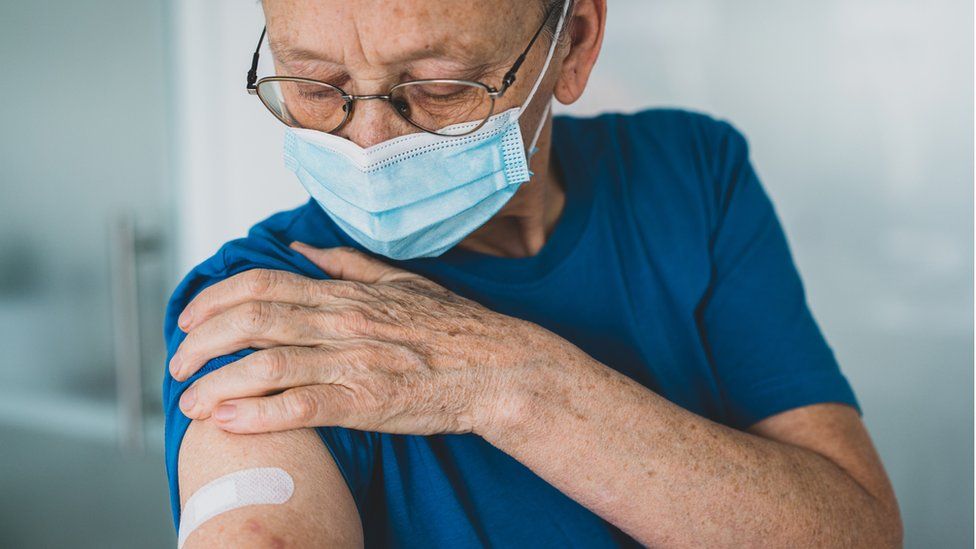
Understanding the various COVID-19 vaccines is crucial for informed decision-making. Different vaccines employ distinct technologies, leading to variations in administration methods, schedules, and potential side effects. This section delves into the key differences between these vaccines, providing a clear overview of their characteristics.The COVID-19 pandemic spurred the rapid development and deployment of several vaccine types. Each vaccine type targets the virus in a different way, resulting in variations in how they are administered, how many doses are required, and how long immunity lasts.
Vaccine Administration Methods
Different vaccines utilize various methods of administration, primarily through injection. These differences affect the logistics of vaccine rollout and the experience of those receiving the shot.
- Intramuscular injection: The most common method, this involves injecting the vaccine into a muscle, typically in the upper arm. This approach allows for efficient delivery of the vaccine into the bloodstream, enabling the immune system to mount a robust response. Examples include the Pfizer-BioNTech and Moderna vaccines.
- Subcutaneous injection: Another injection method, this involves injecting the vaccine under the skin, typically in the upper arm or thigh. This technique may be used with specific vaccine types to minimize discomfort or to accommodate certain populations.
Vaccine Schedules and Dosages
The number of doses and the time interval between them vary across different COVID-19 vaccines. Adhering to the recommended schedule is crucial for optimal protection.
- Two-dose regimen: Many vaccines, like the Pfizer-BioNTech and Moderna vaccines, require two doses administered a few weeks apart. The second dose boosts the immune response, leading to stronger and longer-lasting immunity.
- One-dose regimen: Some vaccines, like the Johnson & Johnson/Janssen vaccine, utilize a single dose. While a single dose provides a level of protection, a two-dose regimen often yields a more robust immune response.
Types of COVID-19 Vaccines, Vacunas covid que brazo
The diverse technological approaches behind the various vaccines contribute to their unique characteristics.
- mRNA vaccines: These vaccines, such as Pfizer-BioNTech and Moderna, instruct the body’s cells to produce a harmless piece of the virus’s spike protein. The immune system recognizes this protein and learns to fight the virus, creating an immune response.
- Viral vector vaccines: These vaccines, such as AstraZeneca and Sputnik V, use a harmless virus to deliver the genetic code for the spike protein to the body’s cells. The body then produces the spike protein and mounts an immune response.
- Protein subunit vaccines: These vaccines, like Novavax, use specific parts of the virus (subunits) to stimulate an immune response. This approach allows for targeted stimulation of the immune system to recognize and combat the virus.
Importance of Following Recommended Schedules
Adherence to the recommended schedule and dosages is essential for optimal protection against COVID-19. Skipping or delaying doses can significantly reduce the effectiveness of the vaccine. For instance, if a person delays their second dose, their immune response might not reach the same level of strength as someone who follows the complete schedule.
Arm Injection Sites
Choosing the right arm for a COVID-19 vaccine injection is a crucial aspect of ensuring a smooth and effective vaccination process. While the vast majority of vaccines are administered in the upper arm, understanding the recommended injection site, anatomical considerations, and potential advantages and disadvantages is important for both healthcare providers and recipients. This section dives into the specifics of arm injection sites, aiming to provide a clear and concise overview.The accepted practice for COVID-19 vaccines is to administer the injection into the deltoid muscle of the upper arm.
This muscle is large enough to accommodate the vaccine volume, and its location offers a relatively pain-free and accessible injection site. However, factors like individual anatomy and health conditions can influence the optimal injection site selection.
Accepted Injection Sites
The deltoid muscle, situated on the upper outer quadrant of the arm, is the standard injection site for COVID-19 vaccines. This location is easily accessible and provides adequate space for the vaccine dose. It’s essential for healthcare providers to maintain proper technique and avoid injecting into nerves or blood vessels.
Anatomical Considerations
The deltoid muscle is a prominent muscle in the upper arm. Understanding its structure and relationship to surrounding tissues is crucial for proper injection site selection. Factors like the presence of any prior scarring, skin conditions, or underlying medical conditions must be considered to ensure a safe and effective injection.
Comparison of Injection Sites
The following table compares the advantages and disadvantages of using the left or right arm for COVID-19 vaccine injections. Note that both are acceptable, and the choice is often based on practitioner preference and patient comfort.
So, I’ve been pondering the best arm for COVID-19 vaccines lately. It’s a pretty straightforward question, but knowing the geopolitical tensions between the US and Russia, and their nuclear capabilities, especially in the context of space exploration and their influence in Pakistan and Asia, as discussed in this fascinating article on us russia nuclear space pakistan asia , makes me wonder if there’s a hidden scientific significance.
Regardless, the general consensus seems to be the upper right arm for the best results, though, personal preference may still play a role.
| Injection Site | Advantages | Disadvantages |
|---|---|---|
| Left Arm | Often a readily accessible site for injection, potentially minimizing any prior injection site reactions on the right arm, offering a less dominant site for those who are right-handed. | Potential for interference with dominant-hand activities in some individuals. Possible discomfort for left-handed individuals who use their left arm extensively. |
| Right Arm | Typically a readily accessible site for injection, often a less dominant site for those who are left-handed. | Potential for interference with dominant-hand activities in some individuals. Possible discomfort for right-handed individuals who use their right arm extensively. If prior injection reactions occurred in the right arm, a different site is preferable. |
Diagram of the Arm
A detailed diagram of the upper arm would illustrate the deltoid muscle prominently positioned on the upper outer quadrant. Other relevant anatomical structures like the surrounding muscles, nerves, and blood vessels would be shown. The diagram would visually highlight the injection site location within the deltoid muscle, emphasizing the importance of avoiding the nerves and blood vessels during the injection procedure.
This visual representation aids in understanding the anatomical considerations for selecting the appropriate injection site.
Vaccine Administration Procedures
Proper administration of COVID-19 vaccines is crucial for their effectiveness and safety. Adherence to established protocols ensures optimal immune response and minimizes the risk of adverse events. This section details the standard procedures, emphasizing the importance of meticulous technique.The administration of vaccines is a critical step in disease prevention. Following established procedures is not just a formality; it directly impacts the vaccine’s ability to trigger a protective immune response and its safety profile.
Ever wondered which arm to get your COVID vaccine in? It turns out, the choice doesn’t seem to significantly affect the outcome. While the Amazon rainforest faces a potential tipping point, threatening the delicate balance of the ecosystem, the best approach for the COVID vaccine seems to be focusing on getting vaccinated, regardless of the arm. Learning about the Amazon’s vulnerability might encourage a similar proactive approach to health, especially with the vaccination process.
The crucial thing is to get your COVID shot. amazon rain forest tipping point This way, you contribute to your own and the community’s well-being. Ultimately, both situations highlight the importance of proactive measures.
Precise technique is essential to ensure the vaccine is delivered correctly, avoiding potential complications.
Ever wondered which arm to get your COVID vaccine in? It turns out, the general consensus is that it doesn’t really matter, although some people have preferences. Speaking of preferences, Dayme Arocena’s recent move to the Kemi region has sparked some interesting discussions, and some may even see a connection to vaccine choices. Dayme Arocena al Kemi has been making headlines, and I’m sure it’s not just about the location.
Regardless of where you get your COVID jab, it’s all about staying healthy! So, next time you’re due for a shot, you can rest easy knowing it doesn’t matter which arm you choose.
Standard Procedures for Vaccine Administration
Adherence to established protocols is paramount for the success of any vaccination campaign. These protocols Artikel the steps involved in the safe and effective administration of vaccines, ensuring optimal results.
- Preparation of the Vaccine: Vaccines must be handled according to the manufacturer’s instructions, ensuring they are stored and handled at the appropriate temperature and in the correct environment. This includes verifying the expiration date and lot number of the vaccine. Proper storage and handling prevent degradation of the vaccine’s efficacy.
- Patient Identification and Consent: Confirming the patient’s identity and obtaining informed consent is critical. This includes verifying the patient’s name, date of birth, and reason for vaccination. Detailed explanation of the vaccine’s purpose, potential benefits, and possible side effects should be provided, followed by the patient’s confirmation of understanding and agreement to proceed. This step ensures the vaccine is administered to the intended recipient and that the patient is fully aware of the process.
- Site Selection and Preparation: The injection site should be selected carefully and prepped to minimize pain and potential complications. Aseptic techniques should be strictly followed to prevent contamination. This often involves cleansing the skin with an antiseptic solution and allowing it to dry. Proper site selection reduces the risk of infection and promotes healing.
- Needle and Syringe Preparation: The appropriate needle and syringe must be selected based on the vaccine type and volume. The needle should be properly calibrated and checked for any damage or defects. The syringe should be primed with the correct amount of vaccine to ensure accurate dosage. This step directly influences the precision and safety of the injection process.
- Injection Technique: The vaccine should be administered according to the manufacturer’s instructions, using the correct angle and depth of insertion. This includes the precise angle of insertion to minimize discomfort and maximize the vaccine’s effect. A gentle, controlled injection is crucial to avoid nerve damage or other complications.
- Post-Injection Care: After the injection, the site should be covered with a sterile bandage, if necessary. The patient should be monitored for any adverse reactions. This involves observing the patient for any unusual symptoms and providing information on how to manage potential side effects, if any arise.
Importance of Proper Technique in Vaccine Administration
Proper technique in vaccine administration is not just a procedural detail; it directly impacts the effectiveness and safety of the vaccine. It is essential for achieving optimal immune response and minimizing potential complications.
- Accuracy of Dosage: Precise injection technique ensures the correct dosage of vaccine is administered, optimizing the immune response. Errors in dosage can affect the vaccine’s effectiveness and potentially lead to inadequate protection.
- Minimizing Pain and Discomfort: Careful injection technique can significantly reduce pain and discomfort associated with vaccination. This is important for patient acceptance and adherence to vaccination schedules.
- Preventing Complications: Proper technique minimizes the risk of complications such as nerve damage, bleeding, or infection at the injection site. This is crucial for ensuring the safety and well-being of the vaccinated individual.
- Maintaining Vaccine Efficacy: Proper technique helps maintain the integrity of the vaccine, preventing degradation that could affect its effectiveness. This is particularly important for vaccines that require specific handling and storage conditions.
Step-by-Step Procedure for Administering a COVID-19 Vaccine
A standardized procedure ensures consistent and effective delivery of COVID-19 vaccines. This standardized approach enhances the reliability and safety of the process.
- Gather Necessary Supplies: Collect all required materials, including the pre-prepared vaccine vial, syringes, needles, alcohol swabs, bandages, and patient identification documents. Thorough preparation is the first step to ensuring the vaccination process is smooth and safe.
- Prepare the Injection Site: Select the appropriate injection site (usually the upper arm) and cleanse it with an antiseptic solution. Allow the area to dry completely before proceeding. This step ensures a clean injection site and reduces the risk of infection.
- Prepare the Syringe and Needle: Withdraw the appropriate dosage of vaccine into the syringe, ensuring accuracy. Select the appropriate needle size. This is a critical step for ensuring the correct dosage and minimizing discomfort.
- Administer the Vaccine: Inject the vaccine at the designated site, using the correct angle and depth. Maintain a steady hand and avoid forceful injections. This step ensures the vaccine reaches the desired location and is administered correctly.
- Post-Injection Care: Apply a sterile bandage to the injection site, if necessary. Observe the patient for any adverse reactions. Document the vaccination details and provide necessary information to the patient about potential side effects and follow-up care.
Precautions and Safety Measures
Adherence to safety protocols is critical in vaccine administration to ensure both the safety of the recipient and the integrity of the vaccine.
- Proper Hand Hygiene: Thorough hand hygiene before and after handling the vaccine is essential to prevent contamination. This is a critical preventative measure to maintain a sterile environment and reduce the risk of spreading pathogens.
- Sterile Technique: All procedures must be performed under strict aseptic conditions to minimize the risk of infection. This involves meticulous use of sterile equipment and techniques to prevent contamination.
- Monitoring for Adverse Reactions: Closely monitor the patient for any adverse reactions following vaccination. This includes observing for signs of allergic reactions or other unusual symptoms. Prompt response to adverse reactions is critical to patient safety.
- Disposal of Sharps: Dispose of needles and syringes properly to prevent accidental needle-stick injuries. Safe disposal practices are essential to prevent cross-contamination and injury.
Potential Side Effects and Reactions
Vaccinations, while crucial for public health, can sometimes trigger reactions in individuals. Understanding the potential side effects, particularly those at the injection site, is essential for managing expectations and ensuring appropriate responses. This section delves into common reactions, their duration, and the importance of reporting them to healthcare providers.
Common Injection Site Reactions
Many individuals experience some localized reactions at the injection site following a COVID-19 vaccination. These reactions are typically mild and temporary, subsiding within a few days. Common symptoms include pain, redness, swelling, and tenderness at the injection site. These are often indicators of the body’s immune response to the vaccine.
Potential Side Effects by Vaccine Type and Duration
The following table Artikels potential side effects at the injection site for Pfizer and Moderna vaccines, categorized by duration. It is important to note that these are common reactions, but individual experiences may vary.
| Vaccine Type | Potential Side Effects (Injection Site) | Duration |
|---|---|---|
| Pfizer | Pain, redness, swelling, tenderness, mild bruising, warmth, itching | Generally resolves within 1-3 days. More severe reactions are less common. |
| Moderna | Pain, redness, swelling, tenderness, mild bruising, warmth, itching | Generally resolves within 1-3 days. More severe reactions are less common. |
Importance of Reporting Adverse Reactions
It is crucial to report any unusual or persistent symptoms following vaccination to your healthcare provider. This includes symptoms beyond the typical injection site reactions, such as fever, chills, fatigue, or difficulty breathing. Reporting allows healthcare providers to monitor your health and determine if any further action is necessary.
Accurate reporting is vital for understanding vaccine safety and efficacy.
Prompt communication with your doctor is essential for ensuring appropriate management of any potential adverse reactions.
Healthcare Professional Perspectives
Healthcare professionals play a crucial role in ensuring safe and effective COVID-19 vaccination administration. Their expertise and adherence to protocols directly impact patient outcomes and public health. This section delves into the perspectives of medical professionals regarding the vaccination process, emphasizing the importance of proper injection site selection and management of potential side effects.
Protocols for Injection Site Selection
Medical professionals meticulously follow standardized protocols to select the optimal injection site for COVID-19 vaccines. These protocols prioritize minimizing discomfort and maximizing vaccine efficacy. The chosen injection site is typically the deltoid muscle in the upper arm, a location known for its relative ease of access and ability to accommodate the vaccine dose. Careful consideration is given to the patient’s overall health, any pre-existing conditions, and any prior reactions to injections.
Common Patient Concerns Regarding Injection Sites
Patients often have questions and concerns regarding the injection site. Common anxieties include the potential for pain, bruising, or discomfort. Some patients may express concerns about the location of the injection, particularly if they have sensitivities in certain areas of the arm. These concerns are addressed through open communication and reassurance from healthcare providers. A thorough explanation of the procedure, along with a demonstration, helps alleviate anxieties.
Managing Potential Side Effects
Healthcare professionals advise patients on managing potential side effects after COVID-19 vaccination. These side effects, which may include soreness, redness, or swelling at the injection site, are typically mild and temporary. Patients are encouraged to use over-the-counter pain relievers like ibuprofen or acetaminophen to manage discomfort. Proper hydration and rest can also contribute to faster recovery. Healthcare professionals emphasize that these side effects are often a sign of the body’s immune response and are generally not cause for alarm.
Furthermore, any severe or persistent reactions should be immediately reported to a medical professional.
Historical Context of Vaccine Administration
Vaccination, a cornerstone of modern medicine, has a rich and fascinating history. From ancient practices to the sophisticated procedures of today, the evolution of vaccine administration reflects humanity’s ongoing quest to combat infectious diseases. Understanding this history provides valuable insight into the safety and efficacy advancements we enjoy today.Early attempts at immunization predate scientific understanding of disease transmission and immunity.
Historical records reveal various forms of inoculation, often based on empirical observations rather than scientific principles.
Early Forms of Inoculation
Early civilizations employed various forms of inoculation, often based on practical experience rather than scientific understanding. These methods, while lacking a deep theoretical basis, sometimes offered protection against specific diseases. Examples include variolation, a practice prevalent in 18th-century China and parts of Europe, where material from smallpox pustules was introduced to create immunity. Although effective in some cases, variolation also carried risks, including the potential transmission of the disease.
Evolution of Vaccine Administration Techniques
The development of vaccines and the methodologies for their administration have undergone significant evolution. Early methods, while effective in certain contexts, lacked the precision and safety measures of modern techniques. The discovery of specific pathogens and the understanding of immunological responses paved the way for more targeted and safer vaccination strategies. The advent of sterile environments and precise dosage control greatly reduced the risk associated with vaccine administration.
Ever wondered which arm to get your COVID vaccine in? Turns out, there’s a whole lot more to the debate than just personal preference. It seems some recent recommendations, like those from the “read like wind recommendations scandal” ( read like wind recommendations scandal ), are raising eyebrows, but the most important thing to remember is that following your doctor’s instructions is key when it comes to getting your COVID shots.
Ultimately, the best advice remains to check with your healthcare provider regarding the proper vaccination arm for you.
The Importance of Safety and Proper Technique
Throughout history, the importance of proper technique and safety in vaccine administration has been recognized, albeit with varying degrees of emphasis. Early practices, while effective in some cases, were often rudimentary and carried inherent risks. Modern practices prioritize sterile environments, precise dosage, and the minimization of potential adverse effects.
Global Approaches to Vaccination
The approach to vaccination has varied significantly across different parts of the world. Factors such as cultural beliefs, resource availability, and the prevalence of specific diseases have influenced vaccination practices. For example, vaccination campaigns in developed countries often benefit from robust healthcare infrastructure and public health campaigns, while developing countries might face challenges in access to vaccines and resources for effective administration.
Historical events and public health campaigns have significantly shaped vaccination programs globally.
Notable Figures and Milestones
Several individuals and pivotal discoveries have shaped the history of vaccine administration. Edward Jenner’s discovery of the smallpox vaccine, for instance, marked a turning point in the fight against infectious diseases. This discovery demonstrated the principle of vaccination and stimulated further research in the field. The development of various vaccines against diseases like polio, measles, and influenza further highlight the impact of scientific advancements on global health.
Comparison of Vaccination Practices
| Region | Historical Approach | Modern Approach |
|---|---|---|
| Europe | Early variolation practices | Sophisticated vaccination programs, emphasizing safety and precision |
| Asia | Traditional inoculation methods | Integration of modern techniques with local healthcare systems |
| Africa | Limited access to vaccines | Increased access through global initiatives and improved healthcare infrastructure |
Different regions have adopted various approaches to vaccination throughout history, reflecting unique cultural, social, and economic contexts. The table above illustrates some of the variations in vaccination practices across different parts of the world. The disparities in access and approach have led to varying degrees of success in controlling disease outbreaks.
Final Summary: Vacunas Covid Que Brazo

In conclusion, understanding the nuances of “Vacunas Covid Que Brazo” is vital for informed decision-making regarding COVID-19 vaccination. By exploring the different aspects of vaccine administration, from injection site selection to potential side effects, we aim to equip readers with the knowledge they need to navigate this important health matter. The key takeaway is that proper procedures and informed choices are paramount in ensuring a safe and effective vaccination experience.
User Queries
What are the most common side effects of COVID-19 vaccines at the injection site?
Common side effects at the injection site include pain, redness, swelling, and tenderness. These are usually mild and temporary.
How long do these side effects typically last?
Most side effects at the injection site resolve within a few days to a week.
Can I choose which arm to receive the COVID-19 vaccine?
While you may not have complete control over the arm chosen, healthcare providers usually consider factors like prior scarring or existing medical conditions when selecting the injection site.
Are there any specific contraindications for choosing a particular arm?
Certain medical conditions, prior surgeries, or other factors might lead a healthcare professional to prefer one arm over the other. It’s best to discuss any concerns with your doctor.